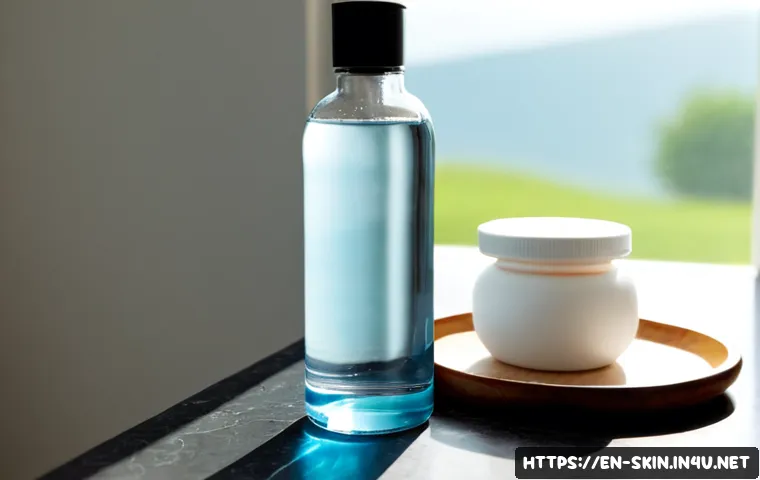
A pH-friendly toner can support a more comfortable feeling after cleansing, but “pH-balanced” wording alone does not make a formula right for your skin.
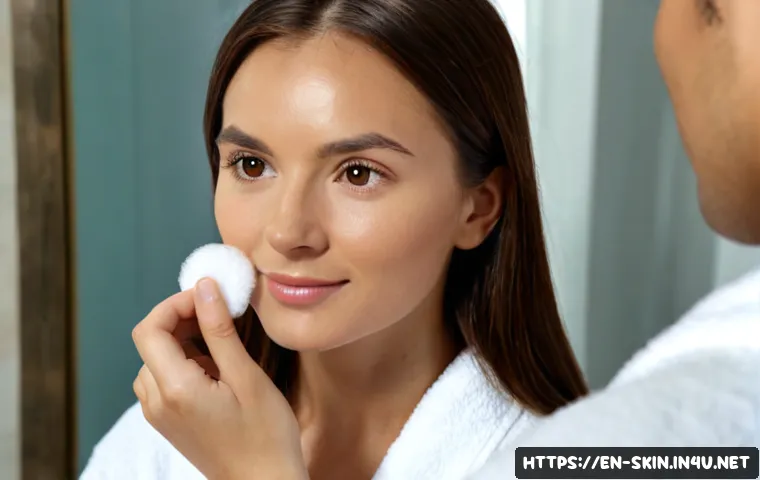
For most shoppers, formula gentleness, humectants, exfoliating acids, fragrance, and alcohol content matter more than a single marketing claim. Hydrating toners may suit skin that feels tight, while acid toners require more caution in routines already using active products.
Toner is optional, so a simple moisturizer may be a better purchase when your routine already feels crowded. Compare the ingredient list, bottle size, packaging, and price per ounce before choosing.
At a Glance
- “pH-balanced” is only one detail: a gentle formula and your skin’s comfort after cleansing are more useful buying criteria.
- Choose by routine needs: hydrating toners suit dry-feeling skin, while exfoliating toners need careful use.
- Toner is optional: if your skin is irritated, simplifying your routine may be more helpful than adding another product.
| Toner Type | Best Use Case | Main Caution | Value Consideration |
|---|---|---|---|
| Hydrating toner | Skin that feels tight or dry after cleansing | Fragrance or alcohol-heavy formulas may still feel uncomfortable | Compare bottle size and price per ounce with a basic moisturizer |
| Exfoliating toner | Congestion-prone routines that are not already crowded with exfoliants | Acids can increase irritation risk when overused | A higher price does not automatically mean a better fit |
| Fragrance-free minimalist toner | Reactive, easily irritated, or sensitive-feeling skin | Individual sensitivity can still vary | Simple formulas may prevent unnecessary overlap in a routine |
What a pH-Friendly Toner Can—and Cannot—Do for Your Skin
The quick answer: comfort after cleansing matters more than a marketing claim
Healthy skin has a naturally acidic surface environment often called the acid mantle. Skin-surface pH can vary by body area and measurement conditions, and cleansing, water exposure, friction, and topical products may temporarily affect both pH and comfort. A toner may feel pleasant after washing, but it cannot permanently “reset” your skin’s pH. When comparing facial toner options, look beyond the front-label claim and focus on whether the formula matches the rest of your skincare routine.
Why toner is optional, not a required correction step
A toner is not required for every routine. If your cleanser and moisturizer already leave your skin comfortable, a toner may be an extra rather than a need. This matters for skincare shoppers comparing product categories: another bottle is not automatically better value. A basic moisturizer may be the more useful purchase when dryness is the main concern.
When persistent stinging or redness calls for a simpler routine
Persistent stinging, redness, or discomfort is a reason to pause and reassess new products rather than adding more active ingredients. Consider a simpler routine with fewer potential irritants, especially if you use prescription skincare treatments. Ongoing irritation or breakouts deserve professional guidance rather than a toner-based promise.
Compare Toner Types Before You Buy
Hydrating formulas for tight or dry-feeling skin
For skin that feels tight after cleansing, consider a hydrating toner with humectants such as glycerin or hyaluronic acid. These ingredients are commonly used to help attract and retain water in the outer skin layer. Check the full label, however: a hydrating claim does not cancel out a strongly fragranced or alcohol-heavy formula that may feel irritating for some people.
Exfoliating formulas for congestion-prone routines
Exfoliating toners may contain salicylic acid, glycolic acid, lactic acid, or polyhydroxy acids. They can be relevant for an oilier or congestion-prone routine, but they are not automatically a better choice than a gentle toner. If you already use acne-focused products or other exfoliating skincare, adding an acid toner can create unnecessary routine overlap. Use caution, introduce it slowly, and remember that daytime sunscreen remains important when using exfoliating products.
Fragrance-free and minimal-ingredient options for reactive skin
For reactive or dry-feeling skin, a fragrance-free and minimal-ingredient toner can be easier to assess. Alcohol-heavy and strongly fragranced formulas may be irritating for some people, particularly those with sensitive skin. Fragrance-free does not guarantee compatibility, but it removes one common consideration from the comparison.
Price per ounce, packaging, and how long a bottle may last
Do not compare toner prices by the shelf tag alone. Divide the listed price by the bottle size in ounces to compare price per ounce. Then consider how often you expect to use it: a daily toner may run out sooner than one used occasionally. Packaging also matters. A spray, pump, or controlled opening may reduce excess product use compared with pouring freely onto a cotton pad.
How to Build a Gentle Post-Cleansing Routine
Cleanse, apply toner if wanted, moisturize, and use daytime sunscreen
A simple order works for many routines: cleanse, apply toner if you want it, then moisturize. During the day, finish with sunscreen, particularly if you use an exfoliating toner. The goal is not to chase a sensation of tightness or tingling. It is to keep the routine practical and comfortable.
Introduce one new product at a time
Adding several skincare products at once makes it harder to tell what your skin tolerates. Introduce one toner, serum, or moisturizer at a time. This is especially useful when comparing sensitive skin care products, because individual sensitivity and compatibility cannot be confirmed from a label alone.
Patch-test basics and signs to pause use
Patch testing can help you notice an unwanted reaction before applying a new toner more broadly. Follow the product’s directions, avoid stacking it immediately with multiple new products, and pause use if it causes discomfort. If you have concerns about allergies, reactive skin, or prescription treatment compatibility, confirm the choice with a qualified healthcare professional.
Common Toner Mistakes That Can Leave Skin Feeling Worse
Overusing acid toners or combining multiple exfoliants
One frequent mistake is using an exfoliating toner alongside several other acid-based or acne-focused products without checking for overlap. Salicylic acid, glycolic acid, lactic acid, and polyhydroxy acids can all increase irritation risk when overused. More active ingredients do not necessarily create a better routine.
Mistaking tingling for effectiveness
Tingling is not a reliable measure of whether a toner is working. A comfortable formula may be a better long-term fit than one that repeatedly stings. This is an important distinction when shopping for “clarifying,” “deep-cleaning,” or “resurfacing” toners, since these terms can make a stronger sensation sound desirable.
Choosing a formula based on “pH-balanced” wording alone

The exact pH of a specific toner should not be assumed without verified product testing. Even then, the number alone does not reveal whether the product contains fragrance, alcohol, acids, or other extras that may matter to your skin. Read the ingredient list and compare the formula with products already in your cabinet.
Choose by Skin Situation, Not Just Skin Type
After a stripping cleanser or dry indoor air
If your face feels tight after cleansing or during dry indoor conditions, a hydrating toner may be worth comparing. Look for glycerin or hyaluronic acid and consider whether a moisturizer would address the same concern more directly. Avoid treating toner as a required “repair” step.
In a simple routine for sensitive or easily irritated skin
A fragrance-free, minimal-ingredient toner can make sense when you want an optional light step without adding multiple actives. Keep the routine short, avoid introducing several new items together, and prioritize comfort over marketing language.
In an oilier routine that already includes acne-focused products
If your routine already includes acne-focused products, inspect an exfoliating toner carefully before adding it. You may prefer a non-exfoliating option if your current routine already contains acids or feels irritating. A toner cannot be assumed to improve acne or other skin conditions for every person.
Selection Criteria and Comparison Summary
The five-point toner shopping checklist
Before buying, check (1) the toner category—hydrating, exfoliating, or minimalist; (2) alcohol and fragrance; (3) humectants or exfoliating acids; (4) bottle size and price per ounce; and (5) whether it overlaps with products you already use. Compare the ingredient list and package size on the product page before choosing a facial toner category.
When a basic moisturizer may offer better value than another toner
If the main issue is dryness or tightness, a moisturizer may offer more practical value than adding another liquid step. Toner can be pleasant and useful for some routines, but it is not essential. Choose based on the gap in your routine, not because a product claims to be universally necessary.
When to ask a dermatologist about ongoing irritation or breakouts
Ask a dermatologist about persistent irritation, ongoing breakouts, or uncertainty around prescription skincare compatibility. A product label cannot determine whether a specific toner will improve eczema, rosacea, pigmentation, acne, or another skin condition.
In Closing
A pH-friendly toner is best viewed as an optional comfort-focused step, not a permanent reset button for skin. For dry-feeling skin, prioritize gentle hydration. For oily or congestion-prone routines, be careful with exfoliating acids and product overlap. The most sensible toner comparison includes ingredients, packaging, frequency of use, and price per ounce—not just the words on the bottle.
Useful Things to Know
Humectants such as glycerin and hyaluronic acid are commonly used to support water retention in the outer skin layer.
Alcohol-heavy or strongly fragranced formulas may be uncomfortable for some people with dry or reactive skin.
Exfoliating toners can contain salicylic acid, glycolic acid, lactic acid, or polyhydroxy acids.
Sunscreen remains important during the day, especially when exfoliating skincare is part of the routine.
Important Notes
The exact pH of your skin or a particular toner requires verified testing and should not be guessed from marketing copy. Individual sensitivity, allergy risk, and compatibility with prescription products vary. This guide provides shopping criteria, not a diagnosis or a guarantee of results for any skin condition.
Frequently Asked Questions
Q1. Is a pH-balanced toner necessary for healthy skin?
A1. No. Toner is optional and is not required to “correct” skin after cleansing. A gentle cleanser, moisturizer, and daytime sunscreen may be enough for many routines.
Q2. Which toner ingredients are usually better for dry or sensitive skin?
A2. Hydrating ingredients such as glycerin and hyaluronic acid are commonly used to support water retention. For reactive skin, compare fragrance-free and minimal-ingredient formulas, while remembering that individual compatibility still varies.
Q3. Are exfoliating toners worth the higher price for oily or acne-prone skin?
A3. Not necessarily. A higher price does not prove better performance or compatibility. Compare the active ingredients, price per ounce, and whether your current routine already includes exfoliating or acne-focused products.