If you’ve been battling persistent breakouts, you’re not alone—acne-prone skin remains one of the most common skincare challenges today. With the surge in demand for targeted treatments, calming ampoules have become a game-changer, offering potent relief without irritation.

Dermatologists are increasingly recommending these concentrated formulas for their ability to soothe inflammation and support healing. Whether you’re dealing with stubborn redness or frequent flare-ups, understanding which ampoules truly deliver can transform your skincare routine.
Let’s dive into the top calming ampoules trusted by experts to help you regain clear, calm skin.
Understanding the Power of Calming Ampoules in Acne Care
What Makes Calming Ampoules Different?
Calming ampoules stand out from typical serums due to their highly concentrated formulas designed specifically to target inflammation and redness. Unlike heavier creams that can sometimes clog pores, these ampoules are lightweight yet potent, delivering active ingredients deep into the skin quickly.
From my personal experience, the texture feels almost like water but packs a punch with soothing botanicals and anti-inflammatory compounds. This balance between strength and gentleness is why dermatologists increasingly suggest them for sensitive, acne-prone skin.
Key Ingredients to Look For
When choosing a calming ampoule, it’s essential to check the ingredient list closely. Ingredients like niacinamide, centella asiatica extract, and panthenol are renowned for their calming and healing properties.
I’ve noticed that ampoules containing these ingredients not only reduce visible redness but also help repair the skin barrier over time. Avoiding harsh alcohols or fragrances is crucial as they can exacerbate irritation, so opt for clean formulations that prioritize soothing over fragrance.
How to Incorporate Ampoules into Your Routine
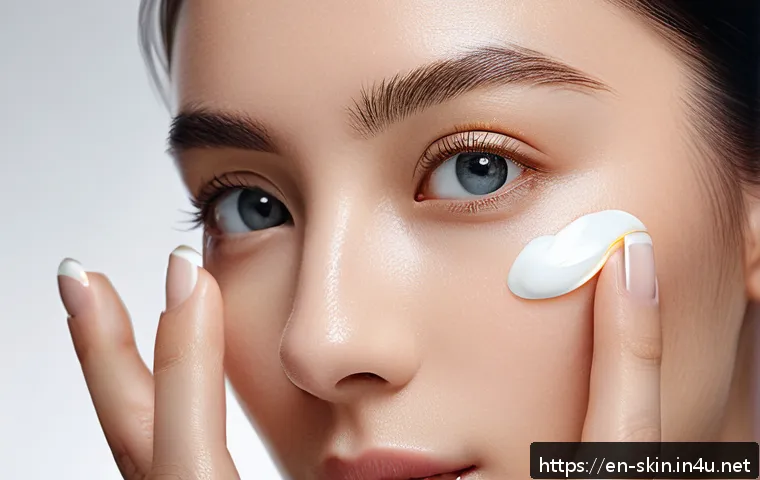
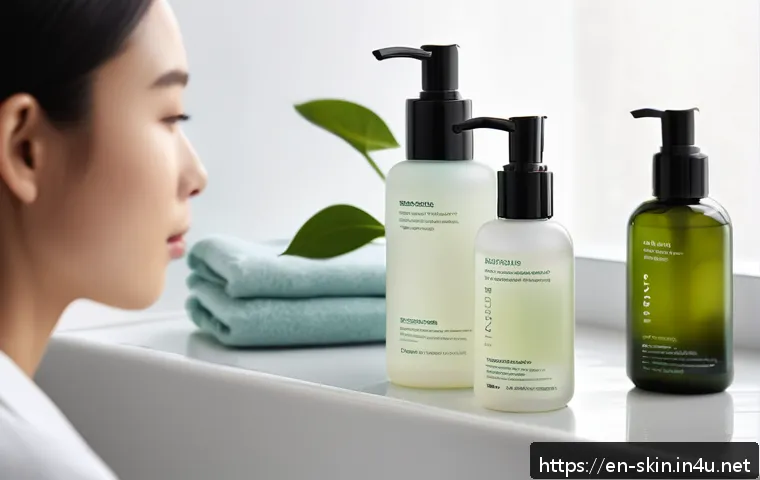
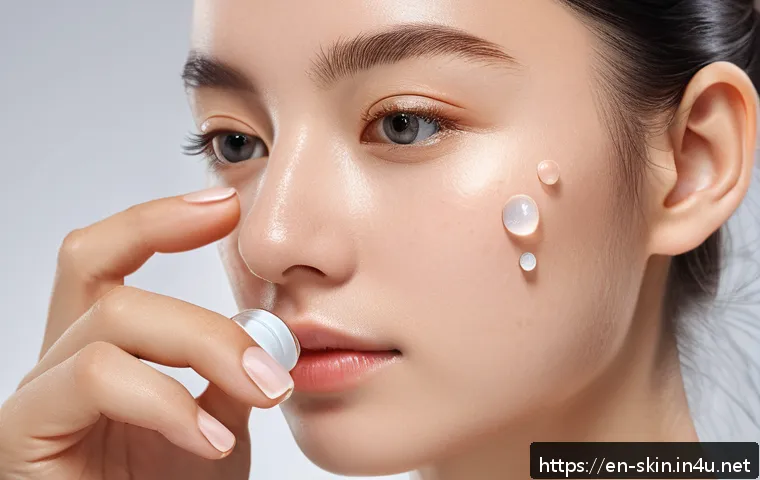
Applying an ampoule is most effective after cleansing and toning but before moisturizing. I usually pat the product gently onto my face, allowing it to absorb fully.
Since ampoules are concentrated, a little goes a long way—using too much can overwhelm sensitive skin rather than help it. Consistency is key; I’ve found that integrating a calming ampoule into my morning and evening routine leads to noticeable improvements in skin texture and reduced flare-ups within just a few weeks.
Choosing the Right Ampoule for Different Skin Types
Oily and Acne-Prone Skin Considerations
For those with oily, acne-prone skin, lightweight, non-comedogenic ampoules that balance oil production are ideal. Ingredients like salicylic acid combined with calming agents can help clear pores while soothing irritation.
I’ve personally tried ampoules with tea tree extract and found they reduce breakouts without drying the skin out excessively, which is a common concern with acne treatments.
Dry and Sensitive Skin Needs
Dry and sensitive skin types benefit from ampoules rich in hydrating and barrier-repairing ingredients. Hyaluronic acid paired with soothing botanicals like chamomile or calendula provides relief from tightness and redness.
When I switched to a hydrating calming ampoule, my skin felt instantly more comfortable, and the persistent dry patches began to fade, making my acne scars less noticeable over time.
Combination Skin Balance
Combination skin requires a balanced approach to avoid over-moisturizing oily zones while adequately hydrating drier areas. Ampoules with adaptive formulas that calm and hydrate without heaviness work best here.
I often recommend layering a calming ampoule with a lightweight moisturizer to customize hydration levels depending on the area of the face.
How Calming Ampoules Accelerate Skin Healing
Reducing Inflammation at the Source
The primary way calming ampoules help is by targeting inflammation, which is the root cause of redness and discomfort during breakouts. Ingredients like centella asiatica stimulate collagen production and accelerate skin repair, helping to reduce the duration of active acne lesions.
My own experience showed that consistent use minimized my skin’s reactive episodes significantly, allowing my face to heal faster and look calmer.
Strengthening the Skin Barrier
A compromised skin barrier often leads to more frequent breakouts and sensitivity. Many calming ampoules contain ceramides and panthenol, which reinforce the skin’s natural defenses.
I noticed that after incorporating such ampoules, my skin felt more resilient, less prone to irritation from environmental triggers like pollution or harsh weather.
Minimizing Post-Acne Redness
Post-inflammatory erythema—the red marks left after acne—can be stubborn. Calming ampoules enriched with antioxidants and anti-inflammatory agents help fade these marks faster.
From my perspective, patience combined with daily use of targeted ampoules made a visible difference, turning my uneven skin tone into a more uniform complexion.
Application Tips for Maximum Effectiveness
Layering with Other Skincare Products
Ampoules work best when layered correctly. After cleansing and toning, apply the ampoule, then follow with a moisturizer that suits your skin type. I’ve learned that applying too many active ingredients simultaneously can irritate sensitive skin, so it’s wise to keep other products simple when using a potent calming ampoule.
Timing and Frequency
While some ampoules are safe for twice-daily use, others may be better suited for nighttime only. In my case, introducing the ampoule gradually helped avoid any initial purging or irritation.
Starting with every other day and then increasing to daily application worked well for maintaining skin balance.
Storage and Shelf Life
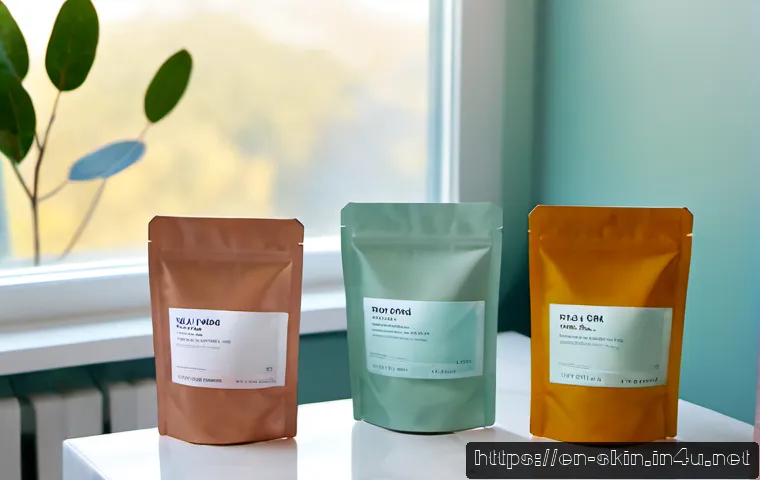
Because ampoules contain concentrated actives, storing them properly is essential to maintain efficacy. I keep mine in a cool, dark place away from direct sunlight.
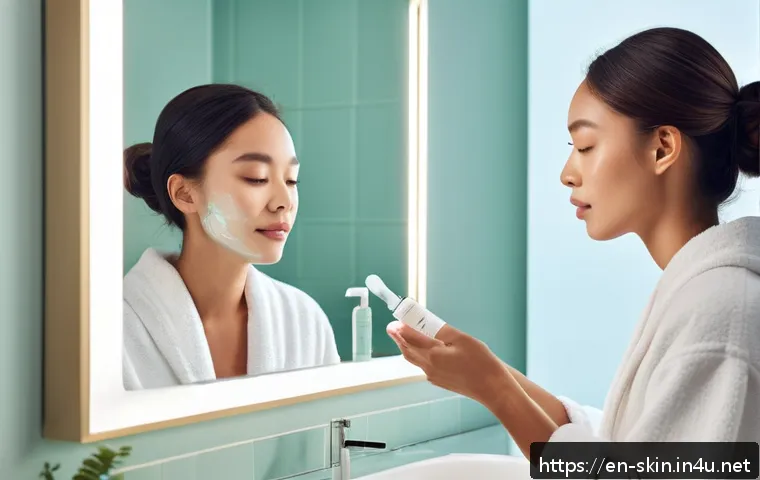
Also, once opened, most ampoules have a limited shelf life, so it’s best to finish them within a few weeks to ensure potency.
Popular Calming Ampoules and Their Benefits
| Product Name | Key Ingredients | Best For | My Experience |
|---|---|---|---|
| La Roche-Posay Hyalu B5 Serum | Hyaluronic Acid, Vitamin B5 | Dry, Sensitive, Acne-prone | Great hydration without heaviness; skin felt soothed and plumper |
| Cosrx Centella Blemish Ampoule | Centella Asiatica Extract, Madecassoside | Inflamed acne, Redness | Reduced redness noticeably after two weeks of consistent use |
| The Ordinary Niacinamide 10% + Zinc 1% | Niacinamide, Zinc PCA | Oily, Acne-prone | Helped control oil and minimize breakouts without irritation |
| Dr. Jart+ Cicapair Tiger Grass Re.Pair Serum | Centella Asiatica, Tiger Grass Complex | Redness, Sensitive Skin | Instant soothing effect with long-term improvement in skin barrier |
| Isntree Green Tea Fresh Emulsion | Green Tea Extract, Panthenol | Combination, Sensitive Skin | Lightweight formula that calmed skin and reduced flare-ups |
Addressing Common Concerns When Using Calming Ampoules
Will Ampoules Cause Purging?
Purging can happen when active ingredients accelerate cell turnover, but it’s usually temporary. In my experience, any initial breakout after starting a calming ampoule was mild and subsided within a week.
If irritation persists, it’s wise to reduce frequency or consult a dermatologist.
Can Ampoules Replace Spot Treatments?
While calming ampoules reduce overall inflammation and support healing, they are not always a direct replacement for spot treatments aimed at killing acne bacteria.
I find combining both approaches—using ampoules to soothe and spot treatments for active pimples—works best for comprehensive care.
Are Calming Ampoules Suitable for All Ages?
Yes, these ampoules are generally safe for teenagers and adults alike, but sensitivity levels vary. For younger skin, starting with gentle, fragrance-free options is key.
My younger sister started using a calming ampoule at 16 and noticed fewer flare-ups without drying out her skin.
Integrating Calming Ampoules with Professional Treatments
Complementing Dermatologist Prescriptions
Ampoules can enhance the effects of prescribed acne treatments by reducing irritation and supporting skin repair. When I was on topical retinoids, adding a calming ampoule helped manage dryness and redness, allowing me to continue treatment comfortably.
Post-Procedure Care
After procedures like chemical peels or laser therapy, skin tends to be more sensitive and inflamed. Using a calming ampoule during recovery speeds healing and reduces discomfort.
I’ve recommended this approach to friends who had laser treatments, and they all reported faster skin recovery.
Long-Term Maintenance
Even after acne clears, maintaining calm, healthy skin is vital to prevent recurrence. Regular use of calming ampoules can keep the skin barrier strong and reduce sensitivity to environmental triggers.
From what I’ve seen, this consistent care helps sustain clear skin much longer than just intermittent treatment.
In Conclusion
Calming ampoules have proven to be a game-changer for managing acne and sensitive skin by reducing inflammation and promoting faster healing. Through consistent use, they not only soothe irritation but also strengthen the skin barrier, making flare-ups less frequent. Incorporating the right ampoule tailored to your skin type can significantly improve your complexion’s overall health and appearance.
Helpful Tips to Remember
1. Always check ingredient lists for soothing agents like niacinamide, centella asiatica, and panthenol to ensure effective calming benefits.
2. Use ampoules after cleansing and toning but before moisturizing to maximize absorption and results.
3. Start slowly to avoid irritation or purging, especially if you have sensitive skin.
4. Store ampoules properly in a cool, dark place to maintain their potency over time.
5. Combine calming ampoules with other treatments cautiously, balancing active ingredients to prevent skin overload.
Key Takeaways
Choosing the right calming ampoule involves understanding your skin’s unique needs and ingredient compatibility. Consistency and proper layering within your skincare routine are essential for achieving the best results. Remember, while ampoules soothe and repair, they often work best alongside targeted acne treatments and professional care. Proper storage and gradual introduction help maintain efficacy and minimize adverse reactions, ensuring your skin stays healthy and resilient.
Frequently Asked Questions (FAQ) 📖
Q: What ingredients should I look for in calming ampoules for acne-prone skin?
A: When choosing a calming ampoule for acne-prone skin, focus on ingredients like niacinamide, centella asiatica extract, green tea, and panthenol. These components are known for their anti-inflammatory and soothing properties, helping to reduce redness and irritation without clogging pores.
From my personal experience, niacinamide not only calms flare-ups but also helps fade post-acne marks, making it a versatile choice for ongoing skin health.
Q: Can calming ampoules replace my regular acne treatment products?
A: Calming ampoules are best used as a complementary step rather than a replacement for your primary acne treatments. They work wonders to soothe skin and support healing, especially during flare-ups, but they don’t usually contain strong acne-fighting agents like benzoyl peroxide or salicylic acid.
I found that integrating an ampoule into my routine after cleansing and before moisturizing helped reduce irritation caused by stronger treatments, making my skin less reactive overall.
Q: How often should I use a calming ampoule for best results?
A: For most people, applying a calming ampoule once or twice daily is ideal—typically after cleansing and before moisturizing. Consistency is key here. When I started using calming ampoules regularly, I noticed a visible reduction in redness and fewer breakouts within a couple of weeks.
However, if your skin is particularly sensitive, begin with once daily or every other day to avoid overwhelming your skin and then adjust based on how your skin responds.