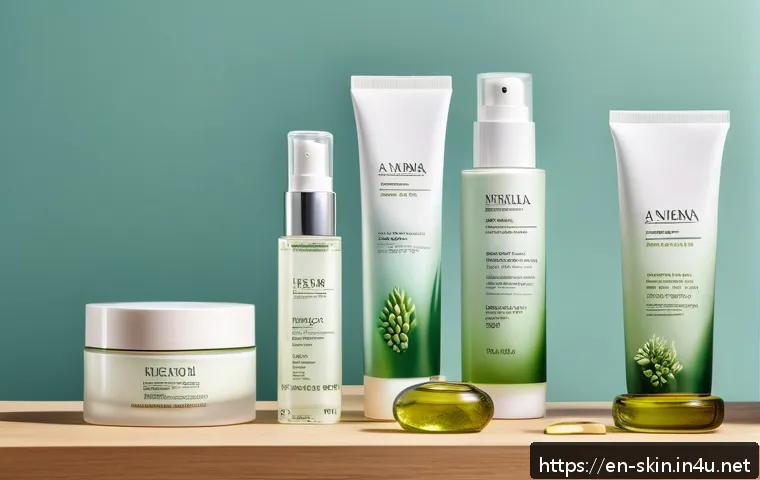
Lately, retinol serums have been making waves in the skincare community, especially as more people seek effective solutions for wrinkle reduction. With so many options flooding the market, it’s easy to feel overwhelmed about which products truly deliver results.
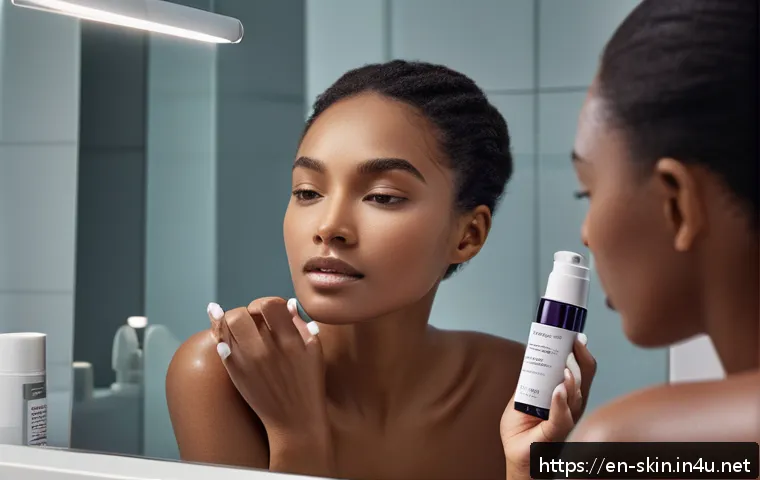
That’s why we’ve turned to dermatologists—the true experts—to find the top retinol serums they trust and recommend. If you’ve been curious about incorporating retinol into your routine but weren’t sure where to start, this guide will walk you through the best choices that combine science, safety, and real results.
Stick around to discover how these serums can help you achieve smoother, younger-looking skin.
Understanding Retinol Concentrations and Their Impact on Skin
How Different Retinol Strengths Work
When it comes to retinol serums, the concentration you choose can make a big difference in both effectiveness and skin tolerance. Lower concentrations, such as 0.25% or 0.3%, are ideal for beginners or those with sensitive skin because they provide gradual exfoliation and collagen stimulation without causing excessive irritation.
On the other hand, concentrations around 0.5% to 1% tend to deliver more noticeable wrinkle reduction and skin texture improvements, but they require a careful introduction to avoid redness or peeling.
Some advanced formulations even go up to 2%, often reserved for experienced users or those under dermatologist supervision. My own experience taught me that starting low and building up slowly is the best way to enjoy retinol’s benefits without setbacks.
The Role of Retinol Derivatives and Formulations
Not all retinol serums are created equal, and sometimes the form of retinol or its derivatives can influence how your skin reacts and benefits. For instance, retinyl palmitate and retinyl acetate are gentler and convert into retinol more slowly, making them suitable for sensitive skin types.
Meanwhile, encapsulated retinol or time-release formulations can help minimize irritation by delivering retinol steadily throughout the day or night. When I switched to an encapsulated retinol serum, I noticed less dryness and redness, but still saw improvements in fine lines over a few weeks.
These variations offer flexibility for different skin needs and lifestyles.
Choosing the Right Retinol for Your Skin Type
Understanding your skin type is crucial when selecting a retinol serum. Oily and acne-prone skin often benefits from slightly higher concentrations because retinol not only fights wrinkles but also helps control breakouts and unclog pores.
Dry or sensitive skin types should opt for lower concentrations or serums enriched with hydrating ingredients like hyaluronic acid or ceramides to prevent over-drying.
Combination skin might require a balanced approach, applying retinol on targeted areas rather than the entire face at once. In my case, pairing retinol with a moisturizer was a game-changer for avoiding irritation while still seeing clear anti-aging results.
Key Ingredients That Complement Retinol for Enhanced Anti-Aging
Hydrators to Soothe and Support Skin Barrier
Retinol can be potent, and sometimes harsh, so it’s essential to pair it with ingredients that maintain hydration and protect your skin barrier. Hyaluronic acid is a superstar here; it draws moisture into the skin, counteracting dryness caused by retinol.
Ceramides are another excellent addition—they reinforce the skin’s natural barrier, reducing sensitivity and promoting healing. When I started layering a ceramide-rich moisturizer after retinol application, my skin felt calmer and the flaky patches disappeared quickly.
This combo helps you stay consistent with retinol use, which is key for long-term wrinkle improvement.
Antioxidants to Boost Retinol’s Effectiveness
Incorporating antioxidants like vitamin C or niacinamide alongside your retinol serum can amplify anti-aging benefits. Vitamin C brightens the complexion and fights free radical damage, while niacinamide improves elasticity and reduces inflammation.
However, these ingredients can sometimes cause sensitivity when used together with retinol, so spacing their application (morning for vitamin C, evening for retinol) or using combined formulas designed for compatibility is recommended.
From personal trials, alternating vitamin C in the morning and retinol at night gave me the best glow without irritation.
Soothing Agents That Calm Irritation
To help skin adjust to retinol, look for serums that include soothing ingredients such as allantoin, panthenol, or green tea extract. These compounds reduce redness and irritation, making the retinol experience more comfortable.
I’ve found that serums with these calming agents allowed me to maintain my retinol routine even during sensitive phases, preventing the dreaded “retinol purge” from becoming overwhelming.
How to Integrate Retinol Serums into Your Routine Safely
Starting Slow: Frequency and Application Tips
One of the biggest mistakes I see is jumping into daily retinol use without building tolerance first. Begin by applying your serum 2-3 times a week, preferably at night, and gradually increase frequency as your skin adapts.
Using a pea-sized amount is usually enough—over-application won’t speed up results but will increase irritation risk. Also, avoid layering with other strong actives like AHAs or BHAs initially.
This slow build-up not only minimizes dryness and redness but also helps sustain long-term benefits without setbacks.
Timing and Layering with Other Products
Retinol is best applied on clean, dry skin to maximize absorption. After waiting a few minutes post-cleansing, apply the serum and follow with a moisturizer to lock in hydration.
Some people prefer mixing retinol with moisturizer to dilute potency at first, which can be a helpful adaptation. Sunscreen is non-negotiable during the day since retinol increases sun sensitivity.
I always recommend a broad-spectrum SPF 30 or higher as the final step in the morning routine to protect your investment in wrinkle prevention.
Recognizing and Managing Common Side Effects
It’s normal to experience mild dryness, peeling, or redness when you start retinol, often called “retinization.” These symptoms typically subside after 2-4 weeks of consistent use.
However, if irritation persists or worsens, reduce frequency, apply a thicker moisturizer, or take short breaks. If severe reactions occur, consult a dermatologist.
I once had to pause my retinol use after excessive irritation but found that reintroducing it slowly with added hydration helped me continue safely and effectively.
Comparison of Top Dermatologist-Recommended Retinol Serums
| Product | Retinol Concentration | Key Ingredients | Best For | Price Range |
|---|---|---|---|---|
| SkinCeuticals Retinol 0.5 | 0.5% | Retinol, Bisabolol, Vitamin E | Intermediate users, aging skin | $70 – $80 |
| La Roche-Posay Retinol B3 Serum | 0.3% | Retinol, Vitamin B3 (Niacinamide), Glycerin | Sensitive skin, beginners | $40 – $50 |
| Paula’s Choice 1% Retinol Booster | 1% | Retinol, Peptides, Antioxidants | Experienced users, visible wrinkles | $50 – $60 |
| Olay Regenerist Retinol 24 Night Serum | Retinol Complex (blend) | Retinol, Niacinamide, Hydrating agents | Combination skin, hydration focus | $30 – $40 |
| Drunk Elephant A-Passioni Retinol Cream | 1% | Retinol, Peptides, Antioxidants | Dry skin, anti-aging | $75 – $85 |
Why Consistency and Patience Are Your Best Allies
Realistic Expectations for Visible Results
Retinol isn’t magic overnight, and it’s important to set realistic goals. Most people start seeing improvements in fine lines, skin texture, and tone after 6-8 weeks of consistent use.
For deeper wrinkles, results may take 3-6 months or longer. Personally, I had to remind myself to stay patient and trust the process, even when the initial dryness and flaking tempted me to quit.
Persistence really pays off with retinol, making it one of the most effective anti-aging ingredients out there.

Maintaining Results and Avoiding Setbacks
Once you’ve established a retinol routine, maintaining it is key. This means continuing regular application, protecting your skin from sun damage, and adjusting your routine seasonally to avoid over-drying during colder months.
I’ve learned that skipping retinol for too long causes fine lines to resurface faster, so staying consistent—even if at a reduced frequency—is crucial for preserving youthful skin.
When to Seek Professional Guidance
If you’re unsure about which retinol serum suits you best or if your skin reacts badly despite careful use, consulting a dermatologist is a smart move.
Professionals can recommend prescription retinoids or complementary treatments tailored to your skin’s needs. In my journey, seeing a dermatologist helped me fine-tune my routine, adding complementary therapies like chemical peels and ensuring my skin stayed healthy and vibrant while tackling wrinkles effectively.
Innovations in Retinol Delivery and Future Trends
Encapsulation and Slow-Release Technologies
Recent advancements in retinol formulations focus on improving delivery and reducing irritation. Encapsulation technology traps retinol in tiny carriers that release it gradually, allowing for sustained benefits with less sensitivity.
Slow-release serums are increasingly popular because they offer a gentler experience without sacrificing efficacy. I tried an encapsulated retinol serum recently and was pleasantly surprised by how much less dry and red my skin felt, even with daily use.
Combining Retinol with Peptides and Growth Factors
Another exciting trend is blending retinol with peptides and growth factors to boost collagen production synergistically. These combinations can enhance skin repair and firmness beyond what retinol alone achieves.
Some high-end serums on the market now feature these multi-targeted formulas, which can be a game-changer for those seeking comprehensive wrinkle reduction.
From what I’ve observed, these blends tend to be pricier but deliver visible improvements faster.
Personalized Skincare: Tailored Retinol Solutions
With AI-driven skin analysis and customization, personalized retinol serums are gaining traction. Brands now offer products tailored to your unique skin concerns, sensitivities, and lifestyle, optimizing retinol concentration and complementary ingredients.
This bespoke approach minimizes trial and error and maximizes results. I haven’t tried a fully customized serum yet, but the concept sounds promising, especially for those frustrated by one-size-fits-all products.
Essential Tips for Maximizing Retinol’s Benefits
Protecting Your Skin from Sun Exposure
Retinol makes your skin more vulnerable to UV damage, so wearing broad-spectrum sunscreen every day is non-negotiable. I always recommend applying a generous layer of SPF 30 or higher after your morning routine, even on cloudy days or when indoors near windows.
This simple step prevents pigmentation issues and premature aging, helping your retinol investment last longer.
Adjusting Your Routine During Seasonal Changes
Skin often reacts differently depending on the season, so adjusting your retinol use accordingly can prevent dryness or irritation. In winter, consider reducing frequency or increasing moisturizing steps, while in summer, be vigilant about sun protection.
I find that my skin tolerates retinol better in spring and fall, but I’m extra cautious during the harsh summer sun and cold winter winds.
Listening to Your Skin’s Signals
Finally, the best advice I can give is to stay attuned to how your skin responds. If you notice persistent redness, itching, or discomfort, it’s okay to pause or scale back your retinol use.
Sometimes, less is more. Balancing active ingredients with nourishing care is essential for long-term skin health and wrinkle prevention. Trusting your skin’s feedback helped me maintain a sustainable retinol habit that truly transformed my complexion.
In Conclusion
Retinol is a powerful skincare ingredient that requires patience and care to unlock its full potential. By choosing the right concentration, complementing it with supportive ingredients, and gradually integrating it into your routine, you can achieve noticeable improvements without unnecessary irritation. Remember, consistency and listening to your skin are key to long-term success. With the right approach, retinol can truly transform your skin’s health and appearance.
Helpful Information to Know
1. Start with a low retinol concentration if you have sensitive skin or are new to retinoids to minimize irritation.
2. Always pair retinol with hydrating ingredients like hyaluronic acid or ceramides to maintain your skin’s moisture barrier.
3. Use sunscreen daily when incorporating retinol into your routine, as it increases your skin’s sensitivity to UV rays.
4. Introduce retinol slowly, applying it a few times a week and gradually increasing frequency as your skin adapts.
5. If irritation persists, reduce usage or consult a dermatologist to find the best solution for your skin type.
Key Takeaways
Choosing the right retinol strength and formulation tailored to your skin type is essential for effectiveness and comfort. Supporting ingredients like antioxidants and moisturizers enhance results and reduce side effects. Patience and consistency are crucial since visible benefits develop over weeks to months. Always protect your skin with sunscreen and adjust your routine seasonally. Lastly, don’t hesitate to seek professional advice if you experience persistent irritation or need personalized guidance to optimize your retinol journey.
Frequently Asked Questions (FAQ) 📖
Q: How do I know which retinol serum is suitable for my skin type?
A: Choosing the right retinol serum depends largely on your skin’s sensitivity and concerns. If you have sensitive or dry skin, it’s best to start with a lower concentration, around 0.25% to 0.5%, and look for formulas that include soothing ingredients like hyaluronic acid or niacinamide to minimize irritation.
For oily or acne-prone skin, a slightly higher concentration might be effective, but always opt for non-comedogenic products. I personally recommend patch testing any new serum and gradually introducing it into your routine to see how your skin reacts.
Q: Can I use retinol serum every night, or should I limit its use?
A: While retinol is powerful, it can be irritating if overused, especially when you’re just starting out. Most dermatologists advise beginning with applying retinol serum 2-3 times a week and then slowly increasing frequency as your skin builds tolerance.
For many, nightly use becomes comfortable after a few weeks, but if you notice redness, peeling, or excessive dryness, it’s wise to scale back. Always follow up with a rich moisturizer and sunscreen during the day since retinol makes your skin more sun-sensitive.
Q: How long does it typically take to see visible results from using retinol serums?
A: Retinol works by accelerating skin cell turnover, so patience is key. Typically, you might start noticing subtle improvements in texture and brightness within 4 to 6 weeks.
More significant changes in fine lines and wrinkles often take around 3 to 6 months of consistent use. From my experience, the best results come when you stick with a routine and complement retinol with good hydration and sun protection.
Remember, results vary depending on the product’s strength and your skin’s unique response.