Vitamin C serums have become a staple in many skincare routines, praised for their powerful antioxidant properties and ability to brighten dull complexions.
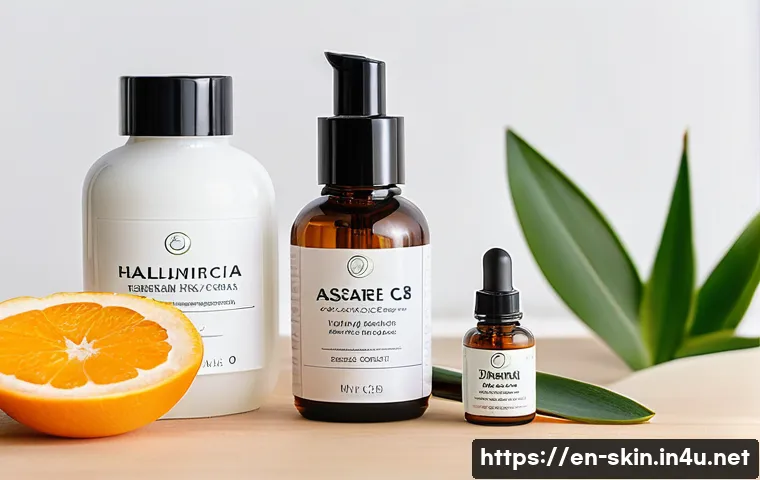
From reducing fine lines to protecting against environmental damage, their benefits are backed by both science and real user experiences. However, not all serums are created equal—choosing the right formulation can make a huge difference in your skin’s health and glow.
Whether you’re a skincare newbie or a seasoned pro, understanding how these serums work and which products deliver the best results is essential. Ready to elevate your skincare game?
Let’s dive deep and explore everything you need to know!
Understanding How Vitamin C Serums Interact with Your Skin
Breaking Down the Science Behind Vitamin C
Vitamin C, also known as ascorbic acid, is a powerful antioxidant that plays a critical role in neutralizing free radicals—unstable molecules that can damage your skin cells.
What’s fascinating is how it supports collagen production, which is essential for keeping skin firm and reducing fine lines. When applied topically via serums, Vitamin C penetrates the skin’s surface, delivering these benefits directly where they’re needed most.
I’ve noticed over time that consistent use really helps with overall skin tone and texture, especially on days when I’ve been exposed to harsh environmental factors like pollution or strong sunlight.
The Role of pH and Formulation Stability
One thing that often trips people up is the pH level of the serum. Vitamin C serums are most effective at a lower pH, typically between 2.5 and 3.5, which allows better absorption.
However, this acidity can sometimes cause irritation if your skin is sensitive. That’s why some formulas include derivatives like sodium ascorbyl phosphate, which are gentler but still offer antioxidant protection.
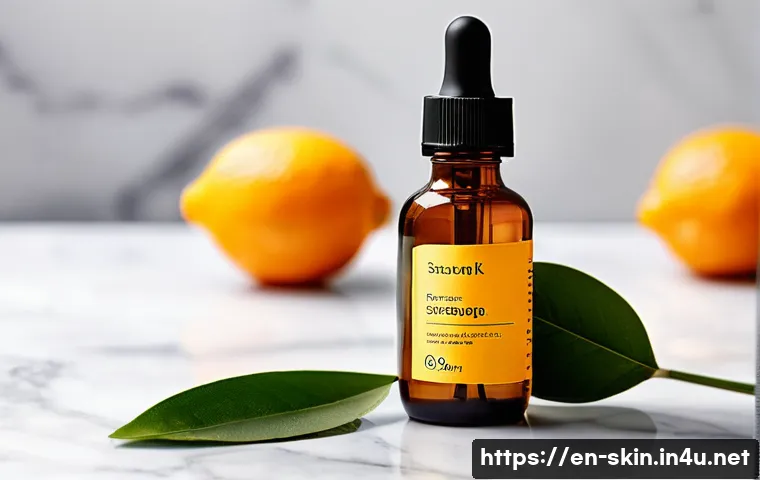
Personally, I’ve found that starting with a lower concentration and gradually increasing it helps my skin adapt without redness or peeling. Additionally, packaging matters—a dark, airtight bottle keeps the serum stable and prevents oxidation, which can render Vitamin C ineffective.
How Vitamin C Works with Other Ingredients
Vitamin C doesn’t work in isolation. Combining it with other ingredients like Vitamin E and ferulic acid can significantly boost its effectiveness. These antioxidants work synergistically to enhance protection against UV damage and improve overall skin health.
On the flip side, layering Vitamin C with niacinamide or retinol requires caution because it can sometimes lead to irritation or reduce the potency of either ingredient.
From my experience, applying Vitamin C in the morning followed by niacinamide or retinol at night maximizes benefits while minimizing sensitivity.
Common Skin Concerns Vitamin C Serums Address
Brightening Dull and Uneven Skin Tone
One of the most celebrated benefits of Vitamin C serums is their ability to brighten the complexion. It works by inhibiting melanin production, which helps fade dark spots, hyperpigmentation, and sun damage.
If you’ve ever struggled with that tired, lackluster skin look, incorporating Vitamin C can make a noticeable difference. I remember when I first used it, the dull patches on my cheeks began to lighten within weeks, and my skin looked more radiant overall.
The key is consistency and choosing a serum with an effective concentration—typically between 10% and 20%.
Minimizing Fine Lines and Wrinkles
Vitamin C’s collagen-boosting properties mean it can help reduce the appearance of fine lines and wrinkles over time. While it’s not a miracle cure, regular use supports skin elasticity and firmness, giving a subtle lifting effect.
I’ve heard from several friends who swear by Vitamin C serums to maintain youthful skin without resorting to more invasive procedures. It’s especially effective when combined with sunscreen, as UV rays accelerate collagen breakdown.
So, using both together is like giving your skin a double layer of protection and repair.
Protecting Against Environmental Stressors
Pollution, blue light from screens, and UV radiation all contribute to oxidative stress, which accelerates skin aging. Vitamin C acts as a shield by neutralizing harmful free radicals before they can wreak havoc.
After days spent outdoors or working long hours on the computer, I’ve noticed my skin feels less fatigued and shows fewer signs of inflammation when I use a Vitamin C serum consistently.
It’s like giving your skin an antioxidant boost that helps it bounce back faster from daily stress.
Choosing the Right Vitamin C Serum for Your Skin Type
Serums for Sensitive Skin
If you have sensitive skin, jumping straight into high-concentration Vitamin C can be intimidating and potentially irritating. Look for serums with gentler derivatives like magnesium ascorbyl phosphate or ascorbyl glucoside, which offer antioxidant benefits with less risk of redness.
I found that serums labeled “hypoallergenic” or “fragrance-free” tend to be more soothing. Starting with a lower percentage, around 5% to 10%, and patch-testing before full-face application is a smart approach to avoid unpleasant reactions.
Formulations for Oily and Acne-Prone Skin
Vitamin C serums can be a great addition for oily or acne-prone skin because of their anti-inflammatory and brightening effects. However, you want a lightweight, non-comedogenic formula that won’t clog pores.
I personally prefer serums with a gel-like texture that absorb quickly without leaving a greasy residue. Some products also combine Vitamin C with salicylic acid or niacinamide to further address breakouts and excess oil.
Using Vitamin C in the morning helps reduce post-acne marks and evens out skin tone over time.
Hydrating Serums for Dry Skin Types
Dry skin benefits from Vitamin C serums that also contain moisturizing ingredients like hyaluronic acid or glycerin. Vitamin C alone can sometimes feel a bit drying, so pairing it with hydrating agents helps maintain skin balance and comfort.
I’ve noticed that serums with this combo not only brighten but also leave my skin feeling plump and supple throughout the day. Applying a rich moisturizer on top seals in both hydration and the antioxidant benefits.
Timing and Application Tips for Best Results

Morning vs. Night Use
Vitamin C serums are generally most effective when used in the morning because they provide protection against UV damage and environmental aggressors during the day.
Applying it after cleansing and before moisturizer and sunscreen ensures your skin gets the full benefit. That said, some people prefer nighttime use to avoid potential photosensitivity or irritation.
I’ve experimented with both and find morning use suits my routine better, especially when I layer sunscreen on top for added defense.
Layering with Other Skincare Products
To maximize absorption, apply Vitamin C serum on clean, dry skin. Follow it with hydrating toners or serums, then lock everything in with moisturizer.
Avoid mixing Vitamin C directly with acidic exfoliants or products with very different pH levels to prevent degradation or irritation. When introducing Vitamin C into your routine, start slowly—every other day or a few times a week—to gauge how your skin reacts before moving to daily use.
Storage and Shelf Life Considerations
Vitamin C serums can degrade quickly when exposed to air, light, or heat, which diminishes their effectiveness. Always store your serum in a cool, dark place, ideally in an opaque or amber bottle with a tight seal.
I learned this the hard way after noticing my serum turned yellow and lost potency. Most serums last about 3 to 6 months after opening, so keeping track of purchase dates and using them promptly helps maintain results.
Comparing Popular Vitamin C Serums: Features and Benefits
| Brand | Vitamin C Type | Concentration | Additional Ingredients | Skin Type | Price Range |
|---|---|---|---|---|---|
| SkinCeuticals C E Ferulic | L-Ascorbic Acid | 15% | Vitamin E, Ferulic Acid | Normal to Dry | High ($160) |
| Drunk Elephant C-Firma | L-Ascorbic Acid | 15% | Ferulic Acid, Pumpkin Ferment | All Skin Types | Mid ($80) |
| La Roche-Posay Pure Vitamin C10 | L-Ascorbic Acid | 10% | Salicylic Acid | Sensitive to Normal | Mid ($40) |
| Paula’s Choice C15 Super Booster | L-Ascorbic Acid | 15% | Vitamin E, Ferulic Acid | All Skin Types | Mid ($50) |
| The Ordinary Vitamin C Suspension 23% | Pure L-Ascorbic Acid | 23% | None | Resistant Skin | Low ($10) |
Real Talk: What to Expect When You Start Using Vitamin C Serum
Initial Skin Reactions and Adjustments
It’s common to experience a mild tingling or slight redness when first introducing Vitamin C serums, especially if the concentration is high or your skin is sensitive.
Don’t panic—this usually subsides as your skin builds tolerance. I remember my first week using a 20% serum, and while there was some initial sensitivity, it quickly settled.
If irritation persists, consider lowering the frequency or switching to a gentler formulation.
Visible Changes Over Time
Patience is key. Most people notice improvements in skin brightness and texture within 4 to 6 weeks of consistent use. Collagen-boosting effects and wrinkle reduction take longer, often several months of regular application.
From my experience, the most rewarding part is seeing sunspots and uneven patches fade gradually while the skin gains a natural glow. It feels like a slow but steady upgrade to your complexion.
Integrating Vitamin C Serum into Your Skincare Ritual
Consistency beats intensity. Whether you’re layering it under makeup or pairing with other active ingredients, making Vitamin C serum a regular part of your routine will yield the best results.
I personally keep mine in the bathroom cabinet and apply it every morning without fail—it’s become a non-negotiable step. Plus, the subtle confidence boost from clearer, brighter skin is absolutely worth it.
Wrapping Up
Vitamin C serums truly offer a versatile and powerful way to enhance your skin’s health and appearance. From brightening dullness to protecting against environmental damage, their benefits are well worth incorporating into your daily routine. With the right product and consistent use, you can achieve noticeable improvements that boost both skin vitality and confidence.
Remember, patience and proper application are key to unlocking the full potential of Vitamin C for your skin.
Useful Tips to Keep in Mind
1. Always start with a lower concentration of Vitamin C to allow your skin to adjust, especially if you have sensitive skin.
2. Store your serum in a cool, dark place to maintain its potency and prevent oxidation.
3. Use Vitamin C serums preferably in the morning to protect your skin from daily environmental stressors.
4. Avoid combining Vitamin C directly with highly acidic exfoliants or incompatible actives to reduce irritation.
5. Consistency is crucial—regular application over several weeks yields the best visible results.
Key Takeaways
Choosing the right Vitamin C serum tailored to your skin type and needs is essential for success. Understanding how formulation, pH, and complementary ingredients affect efficacy can help you avoid common pitfalls. Additionally, proper storage and application techniques will maximize benefits and minimize potential irritation. Ultimately, integrating Vitamin C into your skincare routine with patience and care leads to healthier, more radiant skin.
Frequently Asked Questions (FAQ) 📖
Q: How do I know which vitamin C serum is best for my skin type?
A: Choosing the right vitamin C serum really depends on your skin’s needs and sensitivity. If you have sensitive or dry skin, look for formulations with a lower concentration of vitamin C (around 10%) and added hydrating ingredients like hyaluronic acid or vitamin E to reduce irritation.
For oily or acne-prone skin, a serum with 15-20% vitamin C and a lightweight, non-greasy texture tends to work better. Personally, I found that starting with a lower concentration helped my skin adjust without redness or peeling.
Also, always check for stable forms of vitamin C like ascorbic acid or sodium ascorbyl phosphate—they’re more effective and less likely to cause irritation.
Q: Can vitamin C serums really reduce signs of aging like fine lines and wrinkles?
A: Absolutely, vitamin C is known for its powerful antioxidant properties that help neutralize free radicals—those pesky molecules that speed up skin aging due to sun exposure and pollution.
Using a vitamin C serum consistently can boost collagen production, which firms up skin and smooths fine lines over time. I noticed that after about 6-8 weeks of daily use, my skin looked brighter and those subtle wrinkles around my eyes seemed less noticeable.
Of course, pairing it with sunscreen is crucial because vitamin C works best when it protects your skin from further damage.
Q: How should I incorporate vitamin C serum into my skincare routine for maximum benefits?
A: The best way to use a vitamin C serum is in the morning after cleansing and toning but before applying moisturizer and sunscreen. This layering allows the serum to absorb fully and protect your skin throughout the day.
I always recommend starting with a patch test to avoid any reactions, especially if you have sensitive skin. Also, since vitamin C can be unstable when exposed to air and light, store your serum in a dark, cool place and choose products in opaque or airtight packaging.
Consistency is key—using it daily will give you the best results over time.