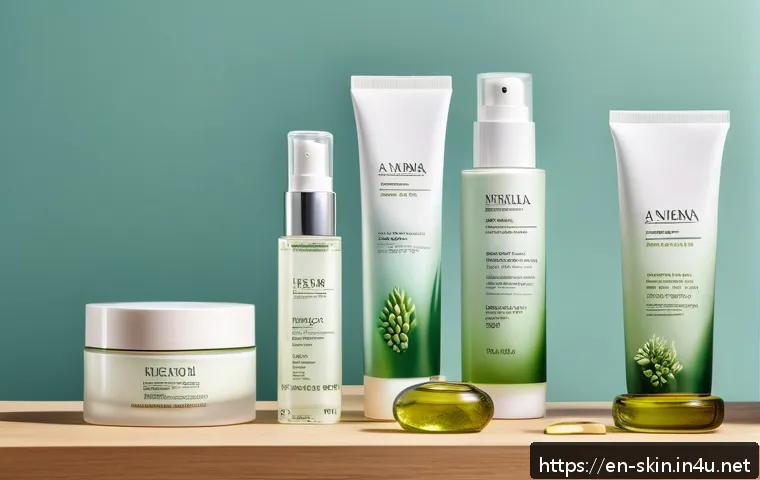
Hey there, fellow skin enthusiasts! Let’s be real – navigating the world of skincare can feel like a minefield, especially when your complexion decides it’s had enough.

I know that feeling all too well. For ages, I was convinced I needed the strongest cleansers to truly get rid of impurities, only to find my skin more irritated and unhappy than ever.
But as the beauty industry shifts towards a ‘skin barrier first’ approach, with microbiome-friendly formulas leading the charge, it’s clear we’ve all been a little misled.
The truth is, your skin craves kindness, not harsh stripping. If you’ve been wondering how to give your complexion the gentle yet effective cleanse it deserves, especially with all the new ingredients popping up, you’re in the right place.
Trust me, ditching those aggressive foams can be a total game-changer, and I’m so excited to share what I’ve discovered. Let’s get into the specifics of how to pick the perfect gentle cleanser for your skin and transform your daily routine!
Understanding Your Skin’s Silent Protectors: The Barrier and Microbiome
The Invisible Shield: What Exactly is Your Skin Barrier?
Okay, let’s talk about something incredibly vital that most of us probably overlooked for years: our skin barrier. Think of it as your skin’s personal bodyguard, a sophisticated and intricate wall made up of lipids and skin cells that works tirelessly to keep the good stuff (hydration!) in and the bad stuff (pollutants, irritants, bacteria) out. For so long, I was fixated on harsh cleansers, thinking I needed to scrub away every last trace of impurity. What I didn’t realize was that every time I used a stripping product, I was essentially chipping away at this crucial shield. A compromised barrier can lead to a whole host of issues, from redness and sensitivity to dryness, breakouts, and even premature aging. It’s like having a leaky roof – no matter how nice your furniture is, if the roof isn’t doing its job, you’re going to have problems. Protecting this barrier is truly step one in achieving a healthy, happy complexion, and it all starts with how you cleanse.
Our Tiny Friends: Embracing the Skin’s Microbiome
Beyond the physical barrier, our skin also hosts an incredibly diverse and dynamic community of microorganisms – bacteria, fungi, and viruses – collectively known as the skin microbiome. Now, I know “bacteria” might sound alarming when we’re talking about skincare, but trust me, these little guys are mostly your allies! A balanced microbiome is essential for keeping pathogenic bacteria at bay, regulating inflammation, and even helping to train our immune system. When your cleanser is too aggressive, it doesn’t just strip away natural oils; it can also decimate these beneficial microbes, leaving your skin vulnerable and imbalanced. I learned this the hard way after struggling with persistent sensitivity, and once I switched to microbiome-friendly formulas, I truly saw a difference. It’s not about sterilizing your skin; it’s about creating a harmonious environment where your good bacteria can thrive, strengthening your skin’s natural defenses and helping it look and feel its best. Think of it as a tiny, bustling city on your face, and your job is to be a good mayor!
The Harsh Truth About Foaming: Why Less *Is* More
The Stripping Cycle: How Harsh Cleansers Damage
I totally get it – there’s something incredibly satisfying about a cleanser that lathers up into a rich, dense foam. It just *feels* like it’s really getting your skin clean, right? For years, I chased that squeaky-clean feeling, believing it meant my face was purified. Oh, how wrong I was! That tight, dry sensation after washing? That’s not a sign of cleanliness; it’s a distress signal from your skin. Many traditional foaming cleansers contain harsh sulfates like sodium lauryl sulfate (SLS) or sodium laureth sulfate (SLES), which are incredibly effective at removing oil and dirt – perhaps *too* effective. They strip away your skin’s natural lipids, dissolve the protective barrier, and disrupt that delicate microbiome we just talked about. This can lead to a vicious cycle: your skin feels dry, so it tries to compensate by producing even more oil, which can lead to more breakouts, making you reach for *even harsher* cleansers. It’s exhausting, and I’ve been there. Breaking free from this cycle was one of the best things I ever did for my complexion.
Signs Your Cleanser is Sabotaging Your Skin
So, how do you know if your current cleanser is doing more harm than good? Well, listen to your skin! If you experience any of these symptoms after washing, it’s a huge red flag. Do you feel that immediate tightness, like your face is too small for your skin? Is your skin red, flaky, or easily irritated? Are you seeing more breakouts than usual, even though you’re cleansing regularly? These were all my tell-tale signs. I used to think my skin was just naturally sensitive, but it turned out my cleanser was the main culprit. It’s a common misconception that acne-prone skin needs aggressive cleansing; in fact, irritating your skin can often worsen breakouts by triggering inflammation and compromising its healing capabilities. Pay attention to how your skin feels immediately after cleansing and throughout the day. It should feel comfortable, soft, and hydrated, not parched and screaming for moisturizer. Trust your gut – or rather, trust your skin!
Decoding the Label: Ingredients That Hug Your Skin, Not Harm It
Hero Ingredients for a Happy Barrier
When you’re trying to shift to a gentler routine, ingredient lists can feel like a foreign language. But once you know what to look for, it becomes so much easier to pick out the real gems. I’ve become quite the ingredient detective over the years! On the “good guy” list, you want to see hydrating and soothing ingredients. Ceramides, for instance, are naturally found in your skin barrier and are fantastic for replenishing those vital lipids. Hyaluronic acid and glycerin are humectants that draw moisture into the skin, keeping it plump and hydrated. Niacinamide (Vitamin B3) is a superstar for soothing irritation, improving barrier function, and even helping with redness. Look for gentle plant extracts like aloe vera, chamomile, or calendula, which provide anti-inflammatory benefits without being harsh. Squalane is another personal favorite; it’s a wonderful emollient that mimics your skin’s natural oils, offering deep nourishment without clogging pores. When I started prioritizing these ingredients, my skin actually felt *stronger* and much more resilient, which was a revelation.
Ingredients to Approach with Caution (or Avoid!)
Just as important as knowing what to embrace is knowing what to sidestep. This is where I made so many mistakes early on! As I mentioned, harsh sulfates (SLS, SLES) are usually a no-go for sensitive or barrier-compromised skin. Alcohol, especially denatured alcohol or alcohol denat., can be incredibly drying and irritating, stripping away essential moisture. While fragrance can make products smell lovely, it’s a common irritant, particularly for those with sensitive skin. Even essential oils, though natural, can be problematic for some. Look for “fragrance-free” on the label. Strong physical exfoliants with jagged particles like apricot kernels can cause micro-tears in the skin, so if you like to exfoliate, opt for chemical exfoliants with AHAs or BHAs, but use them sparingly and not in your daily cleanser if your skin is delicate. My personal rule of thumb now is: if it makes my skin feel stripped or tingly, it’s probably not a friend. Always patch test if you’re unsure!
pH-Balanced Formulas: Why They Matter
Here’s a little science nugget that made a huge difference in my understanding of gentle cleansing: the pH level. Our skin naturally has a slightly acidic pH, typically ranging from 4.7 to 5.75. This acidic mantle is crucial for maintaining the skin barrier and keeping the microbiome healthy. Many traditional soaps and cleansers are alkaline (high pH), which can disrupt this delicate balance, leaving your skin vulnerable to irritation and dryness. Think of it like a seesaw – if one side is too high, the whole thing is out of whack. When you use a pH-balanced cleanser, you’re helping your skin stay in its optimal state, allowing its natural protective mechanisms to function properly. It’s such a simple concept, but incredibly powerful for maintaining skin health. I always check for “pH-balanced” on the label now, and it’s something I recommend everyone does, especially if you’re prone to sensitivity or dryness.
| Gentle Cleanser Ingredient Type | What It Does for Your Skin | Examples to Look For |
|---|---|---|
| Humectants | Attract and hold moisture in the skin, preventing dehydration. Essential for plump, supple skin. | Glycerin, Hyaluronic Acid, Sodium PCA, Panthenol (Vitamin B5) |
| Emollients | Smooth and soften the skin, filling in gaps between skin cells to create a smoother texture. | Squalane, Jojoba Oil, Sunflower Seed Oil, Cetyl Alcohol |
| Occlusives | Form a protective layer on the skin surface to prevent water loss (TEWL). | Petrolatum (in balms, not usually cleansers), Shea Butter, Lanolin (less common in cleansers) |
| Barrier Supporters | Help to repair and strengthen the skin’s natural protective barrier. | Ceramides, Cholesterol, Fatty Acids, Niacinamide (Vitamin B3) |
| Soothing Agents | Reduce redness, inflammation, and irritation. Calms sensitive or stressed skin. | Aloe Vera, Allantoin, Centella Asiatica (Cica), Chamomile Extract |
Texture Talk: Finding Your Gentle Cleanser Soulmate
Lotions and Milks: The Ultimate Comfort
If your skin is prone to dryness, sensitivity, or just screams for comfort, then lotion or milk cleansers might just be your holy grail. I distinctly remember the first time I tried a cleansing milk after years of foam addiction, and it felt like a revelation! These cleansers have a creamy, often lightweight texture that feels incredibly nourishing and never stripping. They don’t typically lather, which can take some getting used to if you’re accustomed to bubbles, but trust me, they cleanse effectively without disturbing your skin’s natural balance. They’re fantastic for removing light makeup and daily grime, leaving your skin feeling soft, hydrated, and happy, not tight or parched. I often recommend these as a first step for anyone trying to heal a compromised barrier or those with naturally dry skin. It’s like giving your face a comforting hug at the end of a long day.
Gels and Oils: Freshness Without the Stripping
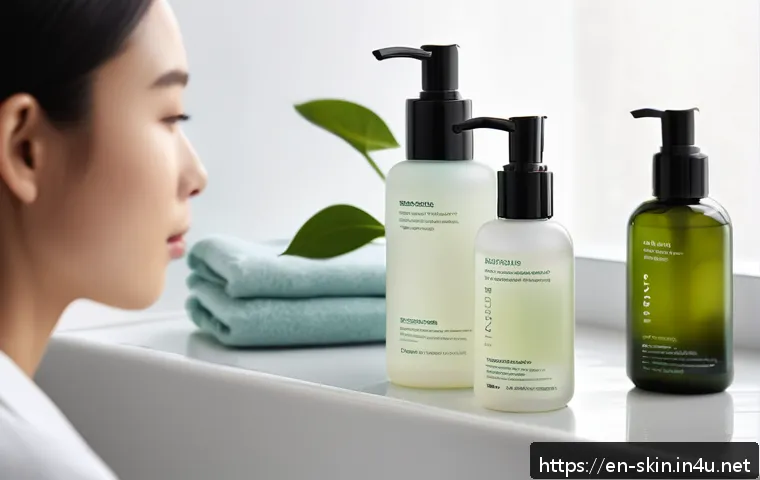
For those who prefer a fresher feel or need a bit more oomph to cut through oil or heavier makeup, but still want to be kind to their skin, gentle gel and oil cleansers are fantastic options. A good gentle gel cleanser will cleanse thoroughly without creating that aggressive foam. Look for clear or slightly opaque gels that aren’t overly sudsy. These are often great for combination or slightly oily skin types that still need that gentle touch. Oil cleansers, on the other hand, are brilliant at dissolving oil-based impurities like makeup, sunscreen, and excess sebum without stripping the skin. The “like dissolves like” principle really shines here! You massage them onto dry skin, and then often emulsify them with a little water before rinsing. This leaves your skin feeling incredibly clean and soft, without any greasy residue or tightness. I’ve found oil cleansing to be a total game-changer for effortlessly removing sunscreen and stubborn makeup while keeping my skin balanced.
Balm Cleansers: Melting Away the Day
Oh, cleansing balms! These have become a true staple in my routine, especially on days when I’m wearing a full face of makeup or heavy-duty SPF. There’s just something so luxurious and satisfying about melting away all the day’s grime with a rich, buttery balm. They typically have a solid, waxy texture that transforms into a silky oil as you massage it onto dry skin. Balms are incredibly effective at breaking down even waterproof makeup and deeply lodged impurities, yet because they are oil-based and often packed with nourishing ingredients like shea butter or plant oils, they leave your skin feeling incredibly soft, supple, and never stripped. Like oil cleansers, they usually emulsify with water and rinse clean. If you’re looking for an indulgent, effective, and deeply hydrating first cleanse, particularly for an evening routine, a cleansing balm is an absolute must-try. It turns a chore into a spa-like experience, and who doesn’t want that?
Mastering the Art of the Gentle Cleanse: Beyond Just the Product
The Right Temperature and Pressure
Finding the perfect gentle cleanser is a huge win, but how you actually *use* it is just as important. It’s not just about what’s in the bottle, it’s about the whole ritual! First off, water temperature matters more than you might think. Steaming hot water can strip your skin and exacerbate dryness, while ice-cold water won’t effectively dissolve impurities. I’ve found that lukewarm water is truly the sweet spot – it’s comfortable, helps the cleanser do its job without irritating your skin, and is generally gentler on your capillaries. Secondly, let’s talk about pressure. Resist the urge to scrub your face like you’re trying to get a stain out of a rug! Your skin is delicate. Use your fingertips and apply light, gentle, circular motions for about 30-60 seconds. Think of it as a soft massage, not an aggressive scour. Excessive rubbing can cause irritation, redness, and even break down collagen over time. Your hands are your best tools for a gentle cleanse, no harsh brushes needed.
The Power of the Pat: Drying Your Face
This might seem like a minor detail, but how you dry your face can significantly impact your skin’s health. After cleansing, it’s tempting to vigorously rub your face dry with a towel, but I urge you to resist! That friction can irritate your skin, especially if it’s already sensitive, and can also pull at delicate facial tissues. Instead, gently *pat* your face dry with a clean, soft towel. I prefer using a dedicated facial towel that I change regularly to avoid bacterial buildup. Better yet, leave your skin slightly damp before applying your serums or moisturizer. Applying products to slightly damp skin can actually enhance their absorption, helping those active ingredients penetrate more effectively. It’s a small change, but I’ve personally noticed less redness and a more hydrated feel when I switched to gentle patting. Every step of your routine, no matter how small, offers an opportunity to be kind to your skin.
When to Double Cleanse Gently: A Nuanced Approach
When (and How) to Incorporate a Gentle Oil Cleanser
The concept of double cleansing has gained immense popularity, and for good reason! It’s a fantastic method for ensuring your skin is thoroughly clean, especially after a day of wearing makeup, heavy sunscreen, or facing urban pollution. However, the key, as always, is to do it *gently*. The first step typically involves an oil-based cleanser – a balm, oil, or even a cleansing milk. This is specifically designed to dissolve oil-based impurities. I apply it to dry skin, massage it in gently for about a minute, really letting it break down everything, and then emulsify it with a splash of water until it turns milky before rinsing thoroughly. This initial step is non-negotiable for me on makeup days because it gets rid of all that stubborn stuff without requiring harsh scrubbing. It feels luxurious and effective, and crucially, it respects my skin barrier. This phase prepares your skin beautifully for the second cleanse.
Avoiding Over-Cleansing in Your Double Cleanse
Now, for the second step of the double cleanse, you follow up with a water-based cleanser, which targets water-based impurities like sweat and dirt. This is where it’s crucial to pick a truly gentle, non-stripping formula. My preference is usually a creamy lotion cleanser or a very mild, low-foaming gel. The goal here isn’t to strip your skin all over again; it’s to ensure any remaining residue from the first cleanse or water-soluble impurities are removed, leaving your skin perfectly clean and balanced. The biggest mistake people make is using two harsh cleansers. That’s a recipe for disaster and will absolutely compromise your barrier. If your skin is very dry or sensitive, you might even consider only doing the water-based cleanse in the morning and a single gentle oil cleanse in the evening if you haven’t worn much makeup. It’s about listening to your skin and adapting the routine to *its* needs, not rigidly following rules. Double cleansing should enhance your skin, not punish it!
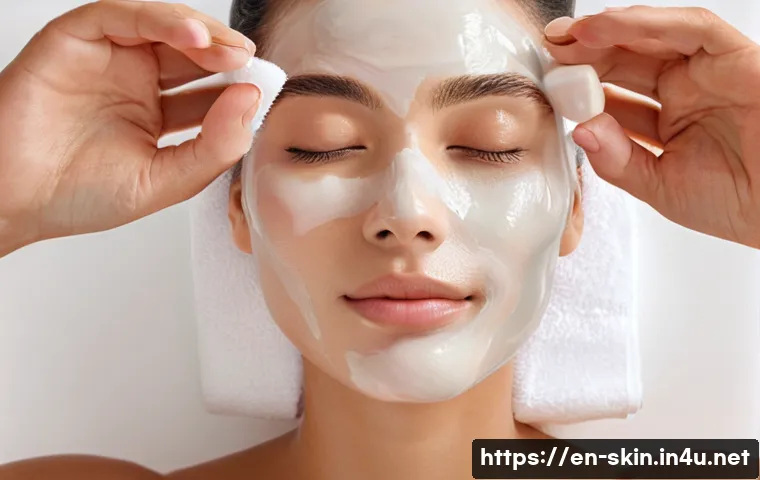
Budget-Friendly Buys That Don’t Compromise on Kindness
Drugstore Gems That Deliver
Let’s be real, skincare can get expensive, and it’s easy to fall into the trap of thinking that more expensive means better. But when it comes to gentle cleansers, I’ve discovered so many incredible, effective options that won’t break the bank! You absolutely don’t need to splurge to get a cleanser that respects your skin barrier and leaves it feeling happy. Many drugstore brands have truly stepped up their game, offering formulas packed with ceramides, hyaluronic acid, and other skin-loving ingredients, all while keeping harsh sulfates and fragrances out. I’ve personally tried and loved several options from brands like CeraVe, La Roche-Posay, and Vanicream – their gentle cleansers are often recommended by dermatologists for a reason! They deliver on their promise of a gentle yet effective cleanse, making barrier support accessible to everyone. It’s proof that you can achieve great skin without emptying your wallet.
Savvy Shopping: Getting More for Less
Beyond specific brands, being a savvy shopper means knowing how to spot a good deal and maximize your skincare budget. Often, larger sizes of gentle cleansers offer a better value per ounce, so if you find a formula you love, it might be worth investing in the bigger bottle. Keep an eye out for sales at drugstores or online retailers; many popular gentle cleansers go on promotion regularly. Don’t be swayed by fancy packaging or celebrity endorsements. Instead, focus on the ingredient list and reviews from people with similar skin concerns to yours. I always cross-reference reviews from trusted sources and prioritize formulas that are consistently praised for being non-irritating and effective. Remember, a simple, well-formulated gentle cleanser is often all you need to lay the foundation for a healthy skin routine, allowing you to allocate your budget to targeted serums or treatments that might be more impactful for specific concerns. Smart choices can lead to great skin and a happy bank account!
The Long-Term Payoff: Seeing Your Skin Thrive
Reduced Redness and Irritation
One of the most noticeable and rewarding changes I experienced after truly committing to gentle cleansing was a dramatic reduction in redness and overall irritation. For years, I just assumed my skin was naturally prone to flushing and sensitivity, and I’d resigned myself to always looking a little ruddy. But once I ditched the harsh cleansers and started nurturing my skin barrier, that constant underlying redness began to fade. My skin felt calmer, less reactive, and much more comfortable throughout the day. It was like I had finally turned down the volume on all the inflammation! This isn’t an overnight fix, of course, but after a few weeks or a couple of months, you’ll likely start to see a significant difference. The constant battle against dryness and sensitivity diminishes, replaced by a much more harmonious and peaceful complexion. It’s a huge relief, and makes applying makeup so much more enjoyable, or even going makeup-free a real possibility!
A Stronger, More Resilient Complexion
Beyond just looking calmer, the most profound benefit of embracing gentle cleansing is the long-term resilience you build in your skin. A healthy, intact skin barrier means your skin is better equipped to defend itself against environmental aggressors like pollution, harsh weather, and even seasonal changes. I used to dread winter because my skin would become a flaky, irritated mess, but now it handles the dry, cold air with so much more grace. When your barrier is strong, your skin retains moisture more effectively, leading to improved hydration and a plumper, more youthful appearance. It’s less susceptible to breakouts because its natural defenses are working optimally, and it heals more efficiently. Think of it as investing in your skin’s future health and vitality. It’s not just about looking good in the short term; it’s about fostering a robust, healthy complexion that can truly thrive, giving you that confident, glowing feeling every single day. Trust me, your skin will thank you.
Wrapping Things Up
And there you have it, friends! What a journey we’ve been on, unraveling the secrets to truly healthy, happy skin, starting with the very first step in our routine: cleansing.
It’s truly amazing how a simple shift from harsh, stripping formulas to gentle, barrier-loving ones can transform your complexion, bringing it from a state of constant irritation to one of calm resilience.
I genuinely hope my experiences and insights inspire you to nurture your skin with the kindness and understanding it truly deserves. Remember, great skin isn’t about perfection; it’s about consistent care and making smart, informed choices that empower your skin to thrive.
Pro Tips & Takeaways for Your Cleansing Routine
1. Always Patch Test New Products: I cannot stress this enough! Before slathering a new cleanser all over your face, especially if you have sensitive or reactive skin, do a small patch test. Apply a tiny amount to an inconspicuous area, like behind your ear or on your inner forearm, for a few days to check for any adverse reactions. This simple step can save you a lot of grief (and redness!). It’s a habit I adopted early on after a few unfortunate product mishaps, and it’s truly a game-changer for introducing new items safely into your routine. Your skin is unique, and what works for one person might not work for another, so always play it safe and let your skin guide you.
2. Your Skin’s Needs Are Dynamic: One crucial lesson I’ve learned is that my skin isn’t a static entity; its needs can change daily, weekly, or seasonally. What works perfectly in the humid summer might feel too stripping in the dry winter months. Hormonal fluctuations, stress levels, and even your diet can influence how your skin behaves. Pay attention to these subtle cues. If your skin feels a bit drier than usual, opt for a creamier cleanser. If it’s a bit oilier, a gentle gel might be more suitable. Learning to ‘read’ your skin and adapt your routine accordingly is a skill that develops over time, and it truly empowers you to provide exactly what your skin needs, when it needs it.
3. The Morning Cleanse: Is It Always Necessary? This is a hot topic in the skincare world! For many with dry or sensitive skin, a full cleanse with a product in the morning might be overkill. Unless you’ve applied heavy overnight treatments or woken up feeling particularly oily, a simple rinse with lukewarm water can be perfectly sufficient. I often just use water in the mornings, followed by my serums and SPF, and my skin feels much happier and less prone to dryness throughout the day. Listen to your skin here; if it feels refreshed with just water, embrace that simplicity. If you prefer a quick cleanse, make sure it’s the gentlest formula you own.
4. Extend the Kindness Beyond Your Face: It’s easy to focus all our attention on our facial skin, but our neck and décolletage (upper chest area) are just as delicate and often show signs of aging and environmental damage first. These areas deserve the same gentle care you give your face! When you’re cleansing, extend those soft, circular motions down your neck and onto your chest. They are exposed to the same environmental stressors and product residue, so neglecting them can lead to an uneven skin tone or texture. Make it a habit to treat these areas as an extension of your face for a cohesive and healthy skin appearance.
5. Consistency Trumps Complexity: In the age of viral trends and 10-step routines, it’s easy to feel overwhelmed and think you need dozens of products. But I’ve found that consistency with a few well-chosen, gentle products yields far better results than constantly hopping between complex routines. Finding a gentle cleanser, a good moisturizer, and an SPF that work for you and sticking with them consistently is the bedrock of healthy skin. Don’t chase every new fad; instead, invest your time and energy into a simple, reliable routine that your skin loves. Your skin barrier will thank you for the stability and routine!
The Bottom Line: Your Skin’s Health Starts Here
At the end of the day, if there’s one thing I want you to take away from our chat, it’s this: truly healthy, radiant skin begins with a gentle cleanse.
It’s the non-negotiable first step, the silent hero that sets the stage for everything else in your routine. By understanding and respecting your skin’s natural barrier and nurturing its delicate microbiome, you’re not just washing your face; you’re building a foundation for resilience, comfort, and a lasting glow.
Ditch the harsh foams, embrace the kindness, and watch your skin transform. It’s an investment in yourself, a daily ritual of self-care that pays dividends in confidence and a complexion you’ll genuinely love.
Trust your instincts, listen to your skin, and embark on your journey to a happier, healthier glow today – you absolutely won’t regret it!
Frequently Asked Questions (FAQ) 📖
Q: “I’ve always believed that a squeaky-clean feeling means my skin is truly purged of impurities. Why should I trade my powerful, foamy cleanser for something ‘gentle,’ and what’s the big deal about my skin barrier anyway?”
A: Oh, I totally get where you’re coming from! For years, I was right there with you, thinking that tight, tingling feeling after washing meant I was winning the skincare battle.
The truth I’ve learned, though, is that ‘squeaky clean’ is actually a red flag, signaling that you’ve likely stripped away your skin’s natural, protective oils.
Think of your skin barrier as your body’s personal bodyguard, a delicate shield made of lipids and skin cells that keeps good things (like hydration) in and bad things (like pollutants and irritants) out.
When you use harsh cleansers, they disrupt this vital barrier, throwing off your skin’s natural pH and leaving it vulnerable. What I’ve personally experienced is that this often leads to a vicious cycle: your skin feels dry and tight, so it produces more oil to compensate, potentially causing breakouts, redness, and increased sensitivity.
It’s a classic case of trying to fix a problem by making it worse! Switching to a gentle cleanser respects that barrier, cleaning without stripping, and truly allows your skin to thrive and find its happy, balanced place.
Q: “Okay, I’m sold on the ‘gentle’ idea, but with so many products out there, what exactly should I be looking for on the label to ensure a cleanser is actually ‘gentle’ and ‘microbiome-friendly’?”
A: That’s an excellent question, because ‘gentle’ can feel a bit subjective, right? What I’ve found to be a reliable guide is to look for specific ingredients and steer clear of others.
For truly gentle cleansing, you want ingredients that support your skin’s health. Think hydrating heroes like glycerin, hyaluronic acid, ceramides, and soothing agents like allantoin or panthenol (Vitamin B5).
These work with your skin, not against it. When it comes to being “microbiome-friendly,” the key is often about what’s not in the formula. Harsh sulfates (like SLS or SLES) are big no-nos for me, as they can be notoriously stripping.
I also tend to avoid strong, synthetic fragrances and excessive essential oils, especially if your skin leans sensitive, as they can irritate that delicate barrier and disrupt your skin’s natural microflora.
Opt for low-pH formulas, typically between 4.5-6.5, which mimics your skin’s natural acidity. My go-to advice? Look for creamy, milky, or oil-based cleansers for dry or sensitive skin, and gentle gel cleansers for oilier types – they often check all these boxes.
Always read that ingredient list like you’re reading a secret map!
Q: “My skin has a mind of its own – some ‘gentle’ products have still caused issues for me. How can I really tell if a new gentle cleanser will be right for my unique skin without committing to a full-sized product and potential irritation?”
A: I hear you loud and clear on this one! It’s like dating for your skin, isn’t it? You want to know if it’s “the one” before you fully commit.
What I’ve learned from my own trial-and-error journey, and what I always recommend, is to become a master of the patch test. Before slathering a new product all over your face, try it on a small, less conspicuous area first – like behind your ear or on a small patch of skin on your jawline or inner arm.
Use it consistently on that spot for a few days, just like you would on your face. Look for any signs of redness, itching, burning, or breakouts. If that area stays happy, then you can slowly introduce it to your entire face.
Another fantastic trick I’ve picked up is to always, always check for travel-sized versions or ask for samples! Many brands offer them, and it’s a brilliant way to test drive a product for a few days without the full investment or the heartache of a full-sized product going to waste.
Trust your gut – if it feels off, it probably is. Your skin will absolutely tell you what it likes if you just listen.