Hey everyone! If you’re anything like me, you’ve probably spent countless hours battling that pesky shine, trying to keep breakouts at bay, and wishing your makeup would just stay put.
Trust me, I get it. Oily skin can feel like a never-ending quest for balance, and finding products that actually work without stripping your skin dry is a challenge we all know too well.
I’ve personally tried almost every trick in the book, from blotting papers to elaborate skincare routines, and through all my experimenting, I’ve discovered one of the most effective tools in my arsenal: the right face mask.
But with so many options out there – from purifying clays to hydrating sheets that magically balance your sebum – how do you even begin to choose? It feels like new innovations are popping up daily, pushing us towards more personalized and targeted treatments, especially for complex skin types.
That’s exactly why I’m here today! Based on years of personal experience, countless product trials, and deep dives into the latest in skincare science, I’m excited to share my top picks and insider tips for selecting the perfect face mask to help you conquer oiliness for good.
Whether you’re looking to minimize pores, reduce shine, or prevent those frustrating breakouts, I’ve got you covered with some tried-and-true favorites and even a few emerging gems.
Let’s get right into finding your next skincare hero, shall we?
Deciphering Your Skin’s Signals: Why Oily Skin Needs Special Care
Understanding the Root Causes of Excess Sebum
Okay, let’s get real. If you’ve got oily skin, you know it’s not just about a little shine on your T-zone. It’s a whole lifestyle! From makeup sliding off by midday to those stubborn breakouts that pop up out of nowhere, it can feel like your skin is constantly working against you. I used to feel the same way. What I’ve learned, after years of trial and error and countless hours researching, is that understanding why your skin produces so much oil is the first crucial step to managing it. It’s not just bad luck; it’s a complex interplay of genetics, hormones, diet, and even stress. Your sebaceous glands, which are tiny oil factories under your skin, can go into overdrive for many reasons. High levels of androgens (hormones) are often culprits, especially during puberty, menstruation, or even just general hormonal fluctuations. And let’s not forget environmental factors; humidity can make things feel even greasier, and improper skincare routines can actually strip your skin, prompting it to produce even more oil to compensate. It’s a vicious cycle that, once you recognize it, you can start to break. I’ve found that often, my skin overproduced oil because I was using harsh cleansers that were too drying, which felt counterintuitive at the time, but it truly made a difference when I switched to gentler alternatives. It’s all about listening to what your skin is trying to tell you.
The Common Pitfalls of Oily Skincare and How to Avoid Them
When you’re constantly battling shine and breakouts, it’s so tempting to reach for the strongest, most stripping products you can find, isn’t it? I’ve been there, thinking if my skin felt squeaky clean, it must be working. But oh, how wrong I was! This is one of the biggest mistakes I see people with oily skin make, and it’s a trap I fell into myself for a long time. Over-washing, using harsh toners with high alcohol content, or skipping moisturizer entirely can actually backfire dramatically. When you strip your skin of its natural oils, your sebaceous glands panic and go into overdrive, producing even more oil to try and rebalance. It’s your skin’s natural defense mechanism, but it leaves you feeling oilier than before. Another common pitfall is using products that are too heavy or comedogenic, meaning they clog your pores and lead to more breakouts. I’ve learned the hard way that not all “oil-free” products are created equal. It’s crucial to look for labels like “non-comedogenic” and to pay attention to ingredients. For instance, I once tried a heavy cream labeled “oil-free” but it was packed with silicones that just sat on my skin and caused congestion. Learning to read ingredient lists and understanding what works for your skin type – rather than just relying on marketing claims – has been a game-changer for me. Trust me, gentle is often more effective when it comes to managing oily skin.
Clay’s Calling: The Ultimate Deep Cleanse for Oily Skin
Bentonite and Kaolin: Your Pores’ Best Friends
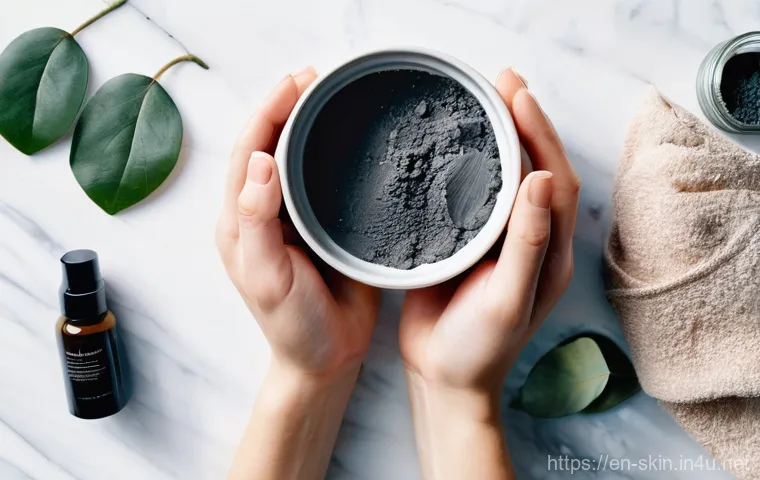
Alright, let’s talk about the OG heavy hitters for oily skin: clay masks. If you’ve been on this skincare journey for any length of time, you’ve probably come across them, and for good reason! Clay masks are like a magnet for impurities, drawing out excess oil, dirt, and grime that can clog your pores and lead to breakouts. But not all clays are created equal, and knowing the difference can seriously elevate your mask game. I’ve personally seen the most dramatic results with bentonite and kaolin clays. Bentonite clay, often called “healing clay,” is incredibly absorbent. When it mixes with water, it creates an electrical charge that helps to attract and bind to toxins and heavy metals. I’ve found that using a bentonite mask once a week gives my skin an unbelievably deep clean, making my pores look noticeably smaller and my complexion feel super fresh. Kaolin clay, on the other hand, is a gentler option. It’s less absorbent than bentonite, making it perfect for those of us who might be a little sensitive but still need that oil-absorbing power. I often reach for kaolin if my skin is feeling a bit irritated or if I want a milder cleanse. Both are fantastic for reducing shine and refining texture, and I always feel like my skin can breathe properly after using them. It’s truly a satisfying feeling, seeing that excess oil just vanish!
Application Tips for Maximum Clay Mask Effectiveness
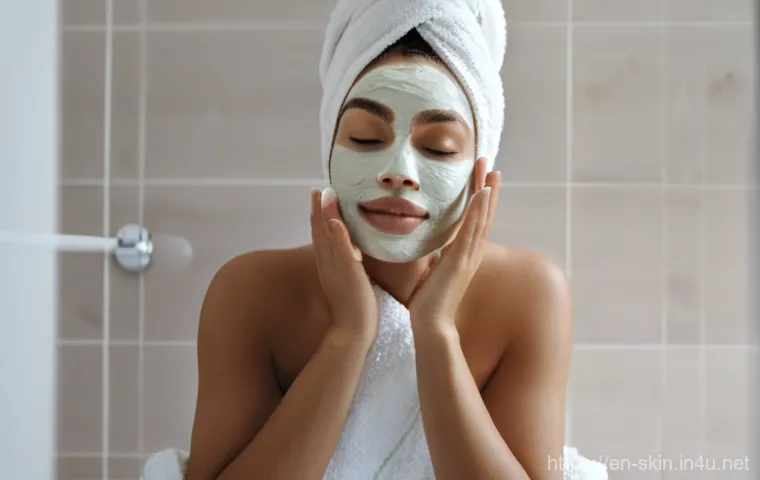
So, you’ve got your clay mask, but are you getting the most out of it? There’s definitely an art to application, and I’ve picked up a few tricks over the years that make a huge difference. First off, always apply your clay mask to clean, dry skin. You want it to work on your bare canvas, not on top of makeup or other products. I usually cleanse my face thoroughly, pat it dry, and then get to masking. A thin, even layer is key. Don’t slather it on super thick, thinking more is better – that actually makes it harder to dry evenly and rinse off, and it won’t be any more effective. I like using a flat foundation brush or a dedicated mask applicator to get a really smooth, even coat. This ensures every part of your skin gets the benefit without wasting product. And here’s a pro tip I swear by: don’t let the mask dry completely until it cracks. When clay masks dry to that cracking stage, they can actually start to draw moisture out of your skin, leaving it feeling tight and dehydrated. Instead, aim for it to be about 80-90% dry, where it’s still slightly tacky but not wet. Then, rinse it off thoroughly with lukewarm water. I often use a damp washcloth to gently loosen it up before splashing water, as it makes removal much easier. Follow up immediately with a hydrating toner and a light moisturizer to replenish any lost moisture and keep your skin balanced. Trust me, this method will give you all the benefits of clay without the dryness!
Beyond the Basics: Charcoal and Mud Masks for Next-Level Detox
Activated Charcoal: The Ultimate Pore Purifier
When it comes to battling congested pores and feeling like your skin needs a serious reset, activated charcoal masks are my secret weapon. I remember the first time I tried a charcoal mask; I was a bit skeptical, thinking, “How can something so dark make my skin brighter?” But boy, was I proven wrong! Activated charcoal is incredibly porous, which means it has a massive surface area to trap and absorb impurities. Think of it as a super-sponge for your skin. It literally pulls out toxins, dirt, and excess sebum from deep within your pores, leaving them feeling incredibly clean and looking visibly smaller. I’ve noticed a significant difference in the clarity of my skin, especially around my nose and chin where blackheads tend to congregate, after consistent use. It’s not just about oil control; it’s about purifying your skin from the daily gunk it accumulates, whether from pollution, makeup, or just general environmental stressors. What I particularly love is the immediate satisfaction. After rinsing off a charcoal mask, my skin feels ridiculously smooth and looks so much clearer. It’s like hitting a refresh button for your complexion. If you haven’t ventured into the world of activated charcoal yet, especially if you deal with stubborn blackheads or just want a really deep detox, you’re missing out on a serious skincare game-changer.
The Power of Mud: Mineral-Rich Treatments for Balanced Skin
While clay and charcoal get a lot of airtime, let’s not forget about the incredible benefits of mud masks, especially those sourced from mineral-rich deposits like the Dead Sea or volcanic ash. These aren’t just for luxury spa treatments; they bring a unique set of benefits to the table for oily and combination skin types. What sets mud masks apart is their rich mineral content – we’re talking magnesium, calcium, potassium, and a whole host of trace elements that are incredibly beneficial for skin health. These minerals help to soothe inflammation, improve circulation, and gently exfoliate, all while absorbing excess oil. I’ve found that mud masks, particularly those from the Dead Sea, are fantastic for not just purifying but also balancing my skin. Instead of just stripping oil, they seem to nourish and restore a healthy equilibrium, which is crucial for preventing your skin from going into oil-production overdrive. I often reach for a mud mask when my skin feels a bit stressed or dull, or if I’m dealing with some minor irritation. The sensation is often more comforting and less drying than some stronger clay masks, making them a great option if you need purification but also want to avoid feeling overly tight. Plus, the ritual of applying a luxurious mud mask just feels so wonderfully pampering, doesn’t it? It’s a moment of self-care that truly delivers results.
Hydration is Key: Balancing Your Skin, Not Stripping It
Debunking the Myth: Oily Skin Still Needs Hydration
This is probably the most crucial lesson I’ve learned on my oily skin journey: oily skin still needs hydration. I know, it sounds completely counterintuitive, right? For years, I avoided anything that even hinted at “moisture,” convinced it would just make me oilier. But that couldn’t be further from the truth! When your skin is dehydrated, it actually tries to compensate by producing more oil to protect itself. It’s a vicious cycle that many of us fall into. Think of it like this: your skin needs water, not oil, to function optimally. Hydration refers to the water content in your skin cells, while oiliness refers to sebum production. You can have oily skin that is simultaneously dehydrated. When I finally embraced lightweight, non-comedogenic hydrating masks, it was a revelation. My skin started to calm down, breakouts became less frequent, and astonishingly, my oil production actually decreased. It’s all about finding the right kind of hydration – think hyaluronic acid, glycerin, or aloe vera – ingredients that draw water into your skin without adding heavy oils. I personally love sheet masks for this purpose because they deliver a concentrated dose of hydrating ingredients efficiently, and they’re usually oil-free. It feels so refreshing and my skin just drinks it up, leaving it plump and balanced, never greasy. Seriously, don’t fear hydration; embrace it!
Gel and Sheet Masks: Your Lightweight Hydration Heroes
For those of us with oily skin, the thought of adding more “stuff” to our faces can be daunting, but gel and sheet masks are absolute game-changers for delivering much-needed hydration without clogging pores or feeling heavy. I’ve become a huge fan, especially of gel masks, because they often have a cooling effect that feels incredibly soothing, particularly on a hot day or when my skin is feeling a bit irritated. These masks are typically packed with humectants like hyaluronic acid, glycerin, and sometimes soothing ingredients like aloe vera or cucumber extract. They work by drawing moisture from the air and locking it into your skin, providing a plump, dewy look without any greasiness. Sheet masks are another fantastic option for a quick hydration boost. The serum-soaked sheet acts as an occlusive barrier, pushing those beneficial ingredients deeper into your skin. I love popping a sheet mask on for 15-20 minutes after cleansing, especially before an event, because it instantly revitalizes my complexion and makes my makeup apply so much smoother. Plus, the variety of sheet masks available now is incredible – you can find ones targeted for brightening, soothing, and yes, even balancing oil production! What I’ve found is that incorporating these lightweight hydrating masks regularly has made my skin more resilient, less prone to sensitivity, and ultimately, less oily overall. It’s a testament to the fact that nourished skin is happy skin.
| Mask Type | Key Ingredients | Primary Benefit for Oily Skin | My Personal Takeaway |
|---|---|---|---|
| Clay Masks (Bentonite, Kaolin) | Volcanic ash, various minerals | Deeply cleanses, absorbs excess oil, refines pores | “My go-to for a quick skin reset and visible pore reduction!” |
| Charcoal Masks | Activated charcoal | Pore purification, draws out deep impurities & toxins | “Unclogs stubborn blackheads and makes my skin feel incredibly fresh.” |
| Mud Masks (e.g., Dead Sea Mud) | Magnesium, calcium, potassium | Mineral-rich detoxification, balances skin, soothes inflammation | “Great for balancing skin when it feels stressed; nourishing yet purifying.” |
| Hydrating Gel/Sheet Masks | Hyaluronic acid, glycerin, aloe vera | Replenishes water content without adding oil, calms skin | “Essential for preventing dehydration and actually reducing oil production.” |
| AHA/BHA Masks | Glycolic acid, salicylic acid, lactic acid | Exfoliates dead skin, minimizes pores, prevents breakouts, improves texture | “My secret for a smoother complexion and fading post-breakout marks.” |
| Enzyme Masks | Papaya, pineapple, pumpkin enzymes | Gentle exfoliation, brightens, refines without irritation (great for sensitive oily skin) | “Perfect for a gentle glow-up when my skin needs a break from stronger treatments.” |
| Overnight Sleeping Masks | Niacinamide, soothing extracts, light acids | Balances oil, targets concerns while you sleep, long-lasting effects | “Wake up to significantly less shine and clearer skin – pure magic!” |
Exfoliating Wonders: Refining Texture with Acidic Masks
AHA and BHA Masks: Chemical Exfoliation for Clarity
If you’re looking to truly refine your skin’s texture, minimize the appearance of pores, and tackle those stubborn clogged pores that lead to breakouts, then incorporating masks with AHAs (Alpha Hydroxy Acids) and BHAs (Beta Hydroxy Acids) is a non-negotiable step. Trust me, I was a bit hesitant about “acids” on my face at first, but once I understood how they work, it was a total game-changer. Unlike physical exfoliants that can sometimes be too harsh for oily and acne-prone skin, chemical exfoliants gently dissolve the bonds holding dead skin cells together, allowing them to slough off more easily. AHAs, like glycolic or lactic acid, work on the surface of your skin to improve tone and texture, making it look brighter and smoother. I’ve noticed a significant improvement in the overall luminosity of my skin and a reduction in post-inflammatory hyperpigmentation (those annoying dark spots left after a breakout) since regularly using AHA masks. BHAs, specifically salicylic acid, are lipid-soluble, meaning they can penetrate deeper into your pores to dissolve sebum and clear out blockages. This makes salicylic acid masks incredibly effective for targeting blackheads, whiteheads, and preventing future breakouts. I reach for a BHA mask when my skin feels congested or I see a breakout brewing, and it truly helps to calm things down and clear out those pores. It’s important to start slowly with these, perhaps once a week, and always follow up with sunscreen, as they can make your skin more sensitive to the sun. But the results? Absolutely worth it for clearer, smoother skin.
Enzyme Masks: Gentle Yet Effective for Sensitive Oily Skin
For those of us with oily skin who also lean towards the sensitive side, or if you’re looking for a gentler alternative to traditional acid exfoliants, enzyme masks are an absolute dream. I discovered enzyme masks a few years ago when my skin was feeling particularly reactive, and I couldn’t risk anything too strong, but I still needed to keep congestion at bay. These masks use fruit enzymes – typically from ingredients like papaya, pineapple, or pumpkin – to gently digest dead skin cells without any harsh scrubbing or acidic sting. What I love about enzyme masks is how effective they are without causing any irritation. They work by breaking down the keratin proteins that hold dead skin cells to the surface, revealing a fresher, brighter complexion underneath. The process is much more subtle than AHAs or BHAs, making them perfect for regular use or for those days when your skin just needs a little extra TLC. After using an enzyme mask, my skin always feels incredibly soft, looks more radiant, and my pores appear refined, all without any redness or dryness. They’re also fantastic for improving skin texture and making subsequent skincare products penetrate better. If you’ve been hesitant to try chemical exfoliants or find them too strong, enzyme masks are a wonderful entry point into the world of gentle yet powerful exfoliation for your oily skin. They truly offer a soothing, glow-inducing experience without the potential for irritation.
Overnight Wonders: Masking While You Sleep for Oil Control
Sleeping Masks: The Secret to Waking Up with Balanced Skin
Okay, let’s talk about my absolute favorite skincare hack for oily skin: overnight sleeping masks. Seriously, if you’re not using them, you’re missing out on some serious beauty sleep benefits! The idea of putting on a mask and just leaving it on all night might sound a little strange, especially for oily skin, but hear me out. These aren’t your typical thick, heavy creams. Modern sleeping masks for oily skin are formulated to be lightweight, breathable, and packed with active ingredients that work tirelessly while you catch some Zs. I’ve found that using an overnight mask focused on oil control or balancing ingredients (like niacinamide, salicylic acid in a gentle concentration, or even some specific probiotics) makes an incredible difference. I wake up and my skin isn’t a greasy mess; instead, it feels remarkably balanced, less shiny, and often looks clearer. It’s like my skin gets a full reset button pushed while I’m completely oblivious. The beauty of these masks is their sustained release of beneficial ingredients over several hours, allowing them to truly penetrate and work their magic. It’s a passive yet incredibly powerful way to manage oil production and improve skin texture without any extra effort in the morning. For me, it has significantly reduced morning shine and even helped with minor breakouts. It truly feels like a secret weapon in my arsenal against oily skin woes.
Targeted Treatments: Spot Reducing and Calming Overnight
Beyond general oil control, overnight masks can also be incredibly effective for targeted treatments. I often use them to spot-treat or provide intense calming for areas that need it most. For instance, if I feel a breakout brewing on my chin or forehead, I’ll reach for a sleeping mask that contains a small amount of salicylic acid or tea tree oil, applying a slightly thicker layer to those specific areas. It’s amazing how much it can reduce redness and inflammation by morning. Similarly, if my skin is feeling a bit irritated or sensitive from environmental factors, I’ll opt for an overnight mask rich in soothing ingredients like centella asiatica or aloe vera. These masks work by creating a protective barrier on the skin, allowing the active ingredients to penetrate deeply and continuously throughout the night, without being rubbed off by your pillowcase as easily as a regular cream might. What I particularly appreciate is the convenience; it’s practically effortless. You apply it as the last step in your evening routine, go to sleep, and wake up to visibly improved skin. It takes the guesswork out of mid-day touch-ups and gives your skin the concentrated care it needs when it’s in its prime repair mode. It’s a truly effective way to give your skin a fighting chance against oiliness and breakouts, making your morning routine a little less frantic and a lot more confident.
The Art of Mask Integration: Making Masks Work for You
Crafting Your Weekly Masking Ritual for Optimal Results
Integrating masks effectively into your skincare routine isn’t just about slapping one on whenever you remember; it’s about creating a thoughtful ritual that truly supports your skin’s needs. After years of experimenting, I’ve found that a structured approach yields the best results for my oily skin. I typically aim for 2-3 masks a week, varying the types based on what my skin is telling me. For example, I might do a deep-cleansing clay or charcoal mask on a Monday to reset my skin after a weekend of makeup and environmental exposure. Then, mid-week, if my skin feels a bit congested or dull, I’ll incorporate an AHA/BHA or enzyme mask to gently exfoliate. And without fail, at least once a week, I’ll use a hydrating gel or sheet mask, or an overnight sleeping mask, to ensure my skin remains balanced and never dehydrated. The key here is not to overdo it, especially with purifying or exfoliating masks, as that can lead to irritation and actually worsen oil production. Listening to your skin is paramount. On days when my skin feels particularly oily and prone to breakouts, I’ll lean into a purifying mask. If it’s feeling a little sensitive but still needs a cleanse, I’ll opt for a gentler clay or enzyme mask. It’s about being flexible and responsive to your skin’s ever-changing demands, and making sure each mask serves a purpose in your overall skincare strategy. This consistent, yet adaptable, approach has truly transformed my oily skin.
Layering and Multi-Masking: A Targeted Approach
If you’ve got combination oily skin like mine, or if certain areas of your face are oilier than others, then multi-masking and even carefully layering masks can be an absolute game-changer. I used to think I had to pick just one mask, but then I discovered the power of treating different areas of my face with different products simultaneously. For example, my T-zone is always a greasy mess with visible pores, while my cheeks can sometimes feel normal to slightly dry. So, I’ll apply a purifying clay or charcoal mask strictly to my T-zone and chin, then use a hydrating gel or cream mask on my cheeks and forehead. This way, I’m giving each area precisely what it needs without over-drying one part or not addressing the oiliness in another. The results are incredibly balanced and effective! Another technique I’ve experimented with, especially with lighter masks, is layering. After a gentle exfoliating mask, I might immediately follow with a hydrating sheet mask to soothe and replenish moisture. The exfoliation primes the skin, allowing the hydrating ingredients to penetrate even better. It’s like giving your skin a double dose of goodness. The trick is to ensure the masks you’re layering or multi-masking with are compatible and won’t cause irritation. Always patch test if you’re unsure! But once you master this technique, you unlock a whole new level of personalized skincare that truly addresses the unique complexities of oily and combination skin. It’s all about strategic application for maximum impact!
Wrapping Things Up
So, there you have it! Our deep dive into the wonderful world of masks for oily skin. It’s been quite a journey, hasn’t it? I truly hope that sharing my own experiences and what I’ve learned about navigating the complexities of oily skin has given you some valuable insights and, more importantly, a renewed sense of confidence. Remember, managing oily skin isn’t about stripping it dry or fighting against it; it’s about understanding its signals, nurturing it with the right tools, and finding that perfect balance. Every single one of us has unique skin, and what works for me might need a slight tweak for you, but the fundamental principles of gentle care, targeted treatments, and consistent hydration remain universal. Keep experimenting, keep listening to your skin, and don’t be afraid to embrace the process. You’ve got this, and with these mask secrets in your arsenal, you’re well on your way to a clearer, more balanced complexion that truly glows from within.
Handy Tips to Keep in Your Skincare Toolkit
Here are a few extra pearls of wisdom I’ve picked up along the way that I think you’ll find super useful on your journey to happier, more balanced skin:
1. Always patch test new masks, especially those with active ingredients like AHAs or BHAs, on a small, inconspicuous area of your skin before applying to your entire face. This little step can save you a lot of irritation and regret!
2. Consistency is truly your best friend. You won’t see overnight miracles (though some masks come pretty close!), so commit to a regular masking schedule and give your skin time to respond. Small, consistent efforts yield big results.
3. Never, ever over-strip your skin. That tight, squeaky-clean feeling might seem satisfying in the moment, but it’s a clear sign your skin is stressed and will likely retaliate by producing even more oil. Gentle is always the way to go.
4. Sunscreen, sunscreen, sunscreen! Especially when you’re using exfoliating masks, your skin becomes more susceptible to sun damage. Make it a non-negotiable part of your morning routine, rain or shine.
5. Don’t hesitate to consult a dermatologist if you’re struggling with persistent oily skin or breakouts. Sometimes, professional guidance and prescribed treatments are the most effective path forward. They’re the experts, after all!
Key Takeaways for Your Oily Skin Journey
Navigating oily skin is a marathon, not a sprint, and the right masks can be powerful allies. Remember, the goal isn’t to eliminate all oil, but to balance sebum production and keep your pores clear. Clay and charcoal masks are fantastic for deep cleansing and purification, effectively drawing out impurities and excess oil. Don’t forget the vital role of hydration; even oily skin craves moisture, and lightweight gel or sheet masks prevent dehydration-induced oil overproduction. Incorporating chemical exfoliants like AHAs and BHAs, or gentler enzyme masks, is crucial for refining texture and preventing breakouts. Finally, embrace the magic of overnight masks for consistent, effortless oil control and targeted treatment. By understanding your skin’s unique needs and integrating these masking strategies thoughtfully, you can achieve a clearer, more balanced, and radiantly healthy complexion. Here’s to finding your skin’s perfect harmony!
Frequently Asked Questions (FAQ) 📖
Q: What types of ingredients should I really be looking for in a face mask if my skin is super oily?
A: Okay, so this is probably the most common question I hear, and it’s a great one! When you’re tackling oily skin, you really want to lean into ingredients that are known for their oil-absorbing and pore-clearing superpowers.
Think along the lines of bentonite or kaolin clay – these are my absolute go-to because they literally draw out excess sebum and impurities from deep within your pores, leaving your skin feeling so much cleaner and looking beautifully matte.
Activated charcoal is another fantastic player here; it’s like a magnet for dirt and toxins. And for those of us who also deal with breakouts (which, let’s be real, is most of us with oily skin!), salicylic acid is a game-changer.
It’s a beta-hydroxy acid (BHA) that dives into your pores to dissolve all that gunk and prevent new pimples from forming. Don’t forget about tea tree oil and niacinamide (Vitamin B3) either!
Tea tree oil is brilliant for its antibacterial properties without being overly harsh, and niacinamide can help regulate oil production and minimize the appearance of those pesky enlarged pores.
I’ve personally seen a huge difference when I stick to masks packed with these heroes!
Q: How often should I actually use a face mask without drying out my oily skin or making things worse?
A: This is where a lot of us tend to go a little overboard, myself included in my early skincare days! It’s easy to think “more is better” when you’re desperate to control shine, but with oily skin, it’s all about finding that sweet spot.
Experts generally recommend using a face mask for oily skin two to three times per week. For clay or charcoal masks, which are more intense for oil absorption, I usually stick to once or twice a week.
If you’re into sheet masks, which can offer some great balancing hydration, you might be able to use them a little more frequently, perhaps two to three times a week, but always pay attention to how your skin feels.
Overdoing it, especially with potent ingredients, can actually strip your skin’s natural oils, and guess what happens then? Your skin freaks out and produces even more oil to compensate!
We definitely don’t want that, right? Consistency is truly key here, not quantity.
Q: Can a face mask really help minimize the appearance of my large pores, or is that just wishful thinking?
A: Oh, the eternal struggle with visible pores! I totally get it – it feels like they’re always staring back at you in the mirror. But I’m here to tell you, it’s absolutely not wishful thinking, though setting realistic expectations is important.
While you can’t permanently change your pore size (genetics play a big role there), you can absolutely make them look significantly smaller and less noticeable with the right face mask!
Masks formulated with ingredients like bentonite and kaolin clays are phenomenal because they deep-clean the pores, removing accumulated oil and debris that can stretch them out and make them appear larger.
When those pores are clean and free of gunk, they naturally retract and become less prominent. I’ve personally experienced how a good clay mask can give you that almost instantly smoother, more refined skin texture.
Consistency with these types of masks can also help regulate sebum over time, which further contributes to a minimized pore appearance. So, yes, it’s not just a dream – a well-chosen mask can certainly be a powerful tool in your fight for smoother-looking skin!