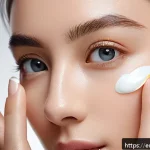
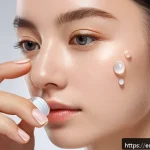
Healthy skin starts with a strong barrier, and one ingredient that’s gaining attention for its restorative powers is panthenol. Known for its ability to deeply hydrate and soothe irritated skin, panthenol helps rebuild the skin’s natural defenses.
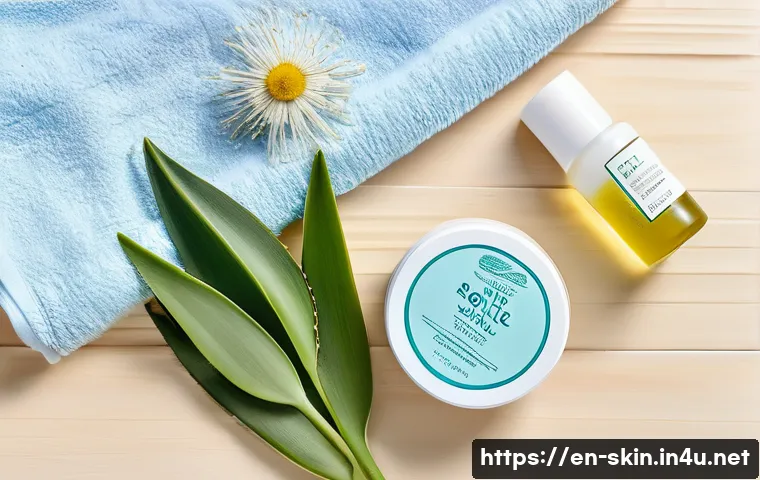
Whether you’re dealing with dryness, redness, or sensitivity, incorporating panthenol can make a noticeable difference. From everyday moisturizers to specialized treatments, this ingredient supports skin resilience and comfort.
Curious about how panthenol works and why it might be the key to your skincare routine? Let’s dive in and explore the benefits in detail!
Enhancing Skin Defense with Moisture-Rich Ingredients
How Hydration Fuels Skin Barrier Repair
When your skin barrier is compromised, it’s like a fortress with broken walls—vulnerable to irritation, dryness, and environmental aggressors. Moisture plays a crucial role in patching those cracks.
Ingredients that deliver deep hydration don’t just make your skin feel soft; they actively support the rebuilding process. I’ve noticed that when I consistently use hydrating serums or creams, my skin looks plumper and is less reactive to harsh weather or new products.
This isn’t just surface-level softness; it’s about strengthening the skin’s natural ability to defend itself. The key is locking in moisture to maintain flexibility and prevent further damage.
The Soothing Power of Skin-Calming Components
I’ve had days when my skin felt inflamed or red, especially during seasonal changes or after trying new exfoliants. That’s where soothing ingredients come into play.
They act like a calming balm, easing irritation and reducing redness, which in turn helps the skin barrier recover faster. Unlike heavy occlusives that just sit on top, soothing agents penetrate and interact with skin cells, calming down inflammation.
It’s almost like giving your skin a gentle hug after it’s been through a rough patch. The difference in comfort is immediate, and with continued use, sensitivity diminishes significantly.
Why Supporting Skin Resilience Matters
Skin resilience isn’t just a fancy term—it’s the skin’s ability to bounce back from stressors like dryness, pollution, or allergens. When your skin is resilient, it’s less prone to flare-ups or damage.
From my experience, products that combine hydration with soothing benefits tend to boost this resilience. It’s not a quick fix but a gradual strengthening.
Over time, you’ll notice fewer breakouts, less irritation, and a more even complexion. This kind of support is essential for anyone dealing with sensitive or compromised skin, especially if you’re constantly exposed to environmental challenges.
Understanding the Multifaceted Role of Panthenol
Deep Hydration Without the Greasy Feel
Panthenol stands out because it penetrates deeply and hydrates skin without leaving a sticky or oily residue. I’ve tried countless moisturizers, and the ones with panthenol felt lightweight but incredibly nourishing.
This makes it a great choice for both oily and dry skin types. It attracts and holds water in the skin, which means your skin stays hydrated longer throughout the day.
For me, this meant fewer midday touch-ups and a more comfortable, balanced feeling all day long. It’s a subtle yet powerful hydration booster that’s easy to layer under makeup or sunscreen.
Accelerating Skin Repair and Soothing Irritation
One of the standout benefits I’ve experienced with panthenol is how quickly it calms irritated skin. Whether it was after a sunburn or a breakout, applying a product with panthenol visibly reduced redness and discomfort.
This ingredient converts to vitamin B5 in the skin, which plays a vital role in tissue repair and regeneration. It’s like giving your skin the nutrients it needs to heal itself faster.
This makes it a go-to for anyone dealing with sensitive, inflamed, or compromised skin barriers.
Compatibility with Various Skin Types and Products
What I appreciate most about panthenol is its versatility. It works well in everything from lightweight serums to rich creams, and even in sunscreens or makeup primers.
I’ve used it on my combination skin without any clogging or breakouts. It’s gentle enough for daily use and doesn’t interfere with other active ingredients like retinol or acids.
This flexibility makes it a reliable ingredient to build into your skincare routine, regardless of your skin type or concerns.
Incorporating Barrier-Boosting Ingredients into Your Daily Routine
Choosing the Right Formulation for Your Skin
Not all products are created equal, especially when it comes to barrier repair. I’ve learned that it’s important to pick formulations that balance hydration and soothing without overwhelming your skin.
Lightweight lotions or gels with panthenol are excellent for warmer months or oily skin, while creams and balms can offer extra protection during winter.
Reading ingredient lists and patch-testing new products helped me avoid irritation and find what truly supports my skin barrier.
Timing and Layering for Maximum Benefit
Applying barrier-supporting ingredients in the correct order can make a noticeable difference. From my routine, I start with a hydrating toner or essence, then layer serums containing panthenol or other humectants, followed by a moisturizer to seal everything in.
This layering ensures that hydration penetrates deeply and stays locked in. Plus, it creates a smooth canvas for sunscreen or makeup. Skipping steps or applying heavy products first can block absorption and reduce effectiveness.
Consistency is Key for Long-Term Results
I can’t stress enough how sticking with a barrier-focused routine over weeks to months transforms skin. The improvements aren’t always overnight but persistent use builds resilience, reduces sensitivity, and maintains hydration.
I’ve seen my skin go from easily irritated and dry to calm, balanced, and glowing simply by consistently using the right products. This approach is especially important if your skin has been compromised by over-exfoliation, harsh climates, or stress.
Comparing Popular Barrier Repair Ingredients
How Panthenol Stands Out Among Others
There are several well-known ingredients touted for barrier repair, like ceramides, niacinamide, and fatty acids. Each has its own role, but panthenol’s unique ability to hydrate deeply while soothing irritation makes it a multitasker.
While ceramides rebuild the lipid layer and niacinamide supports skin texture and tone, panthenol excels at calming and moisturizing simultaneously. I’ve found that combining these ingredients often yields the best results, but panthenol remains a cornerstone in my routine for daily comfort.
Personal Experience with Ingredient Combinations
When I first started focusing on my skin barrier, I experimented with layering panthenol with ceramide-rich creams and niacinamide serums. The results were impressive—my skin felt hydrated, less reactive, and smoother.
It was like each ingredient complemented the other. Panthenol’s soothing effect helped reduce redness that sometimes appeared when introducing niacinamide, and ceramides provided a protective lipid barrier.
This combo worked better than any single ingredient alone.
| Ingredient | Primary Benefit | Skin Types Best Suited For | How It Supports Barrier |
|---|---|---|---|
| Panthenol | Deep hydration, soothing | All, especially sensitive | Hydrates and calms inflammation |
| Ceramides | Lipid barrier repair | Dry, compromised | Restores skin’s protective lipids |
| Niacinamide | Brightening, anti-inflammatory | Oily, acne-prone, sensitive | Improves texture, reduces redness |
| Fatty Acids | Barrier nourishment | Dry, mature | Supports skin’s lipid matrix |
Recognizing Signs Your Skin Barrier Needs Support
Common Symptoms Indicating Barrier Damage

I’ve learned to listen to my skin when it’s telling me it needs help. Tightness, persistent dryness, redness, flakiness, or even increased sensitivity to products are clear signals.
At one point, I ignored these signs and kept experimenting with harsh treatments, which only worsened my skin’s condition. Once I introduced barrier-repairing ingredients like panthenol, those symptoms gradually diminished.
Recognizing these early signs allows you to pivot your routine and give your skin the care it demands.
Environmental and Lifestyle Factors That Impact the Barrier
Daily exposure to sun, wind, pollution, and even indoor heating can strip your skin’s natural defenses. I noticed my skin barrier was weaker in winter due to dry indoor air and harsh cold winds.
Stress and poor diet also play a role. Addressing these factors alongside topical treatments makes a huge difference. For example, using a humidifier during dry months and avoiding over-cleansing helped maintain my skin’s moisture balance.
Adjusting Your Routine Based on Skin Feedback
Skin is dynamic, and its needs can change with seasons, age, or health. I try to tune into how my skin feels each day and adjust accordingly—sometimes adding extra hydration, other times focusing on soothing.
If I notice irritation creeping back, I scale back exfoliation and ramp up barrier-supporting products. This responsiveness keeps my skin barrier strong over time rather than allowing it to degrade from neglect or over-treatment.
The Role of Panthenol in Specialized Skincare Treatments
Use in Post-Procedure Care
After professional treatments like chemical peels, microneedling, or laser sessions, skin barrier support is critical. I remember following a laser treatment where my dermatologist recommended products containing panthenol.
The calming and hydrating effects helped reduce redness and promote faster healing. Panthenol’s ability to soothe and repair made the post-procedure discomfort more manageable and accelerated recovery.
Incorporation into Anti-Aging Regimens
Aging skin often has a weakened barrier, leading to dryness and sensitivity. Panthenol’s moisturizing and regenerative properties help counteract these effects.
I’ve seen some anti-aging formulas blend panthenol with peptides and antioxidants to create a multi-layered approach—hydrating, repairing, and protecting simultaneously.
This combination helps maintain elasticity and reduces the appearance of fine lines caused by dehydration.
Supporting Sensitive and Reactive Skin Types
Sensitive skin benefits enormously from panthenol’s gentle nature. Unlike harsher active ingredients, panthenol rarely causes irritation and instead soothes existing inflammation.
For people like me who struggle with redness and reactivity, incorporating panthenol-based products provides comfort without compromising efficacy. It’s a reliable ingredient to include when building a gentle, effective routine tailored to sensitive skin.
Tips for Maximizing the Benefits of Barrier-Enhancing Ingredients
Patch Testing and Gradual Introduction
Whenever I try new barrier-repair products, I always patch test first to avoid surprises. Introducing ingredients gradually allows my skin to adapt without becoming overwhelmed.
This is especially important if you’re layering multiple actives or have sensitive skin. It’s a simple step that saves a lot of frustration and helps build a routine that your skin truly tolerates.
Pairing with Gentle Cleansing Habits
No matter how amazing your moisturizer or serum is, harsh cleansing can undo all the good work. I switched to gentle, sulfate-free cleansers to protect my skin barrier.
It’s like trying to patch a leaky roof while continuing to pour water through it—ineffective and frustrating. A mild cleanser maintains natural oils and prevents stripping, setting the stage for barrier-repair ingredients to work their magic.
Consistency Over Perfection
One key lesson I’ve learned is that daily, consistent care beats occasional intensive treatments. Even if your routine is simple—just a hydrating toner, a panthenol-rich moisturizer, and sunscreen—sticking with it builds a stronger barrier over time.
Patience and regularity are your best allies in achieving and maintaining healthy, resilient skin.
글을 마치며
Supporting your skin barrier with moisture-rich and soothing ingredients is essential for healthy, resilient skin. From my own experience, incorporating elements like panthenol has transformed my skin’s texture and comfort. Remember, consistent care and the right products make all the difference in strengthening your skin’s natural defenses. Prioritize hydration and soothing components to keep your skin balanced and protected every day.
알아두면 쓸모 있는 정보
1. Always patch test new skincare products to prevent unexpected irritation or allergic reactions.
2. Layer your skincare products starting from the lightest texture to the heaviest for better absorption and effectiveness.
3. Use gentle cleansers that don’t strip natural oils to protect the skin barrier during your daily routine.
4. Environmental factors like pollution, sun exposure, and dry air can weaken your skin barrier, so adjust your skincare accordingly.
5. Consistency over time is key—daily care with barrier-supporting ingredients yields the best long-term results.
중요 사항 정리
Maintaining a healthy skin barrier requires a balanced approach combining hydration, soothing, and protection. Panthenol stands out as a versatile ingredient that deeply hydrates while calming irritation, making it suitable for all skin types. Choose products wisely based on your skin’s needs and environmental conditions, and remember to build your routine gradually. Gentle cleansing, proper layering, and consistent use are fundamental to restoring and preserving your skin’s natural resilience.
Frequently Asked Questions (FAQ) 📖
Q: What exactly is panthenol, and how does it benefit my skin?
A: Panthenol is a form of vitamin B5, widely recognized for its impressive moisturizing and soothing properties. When applied to the skin, it penetrates deeply to attract and retain moisture, which helps keep your skin hydrated and plump.
Beyond hydration, panthenol also supports the repair of the skin’s natural barrier, making it excellent for reducing irritation, redness, and sensitivity.
From my own experience, using products with panthenol has visibly improved my skin’s texture and comfort, especially during dry or stressful seasons.
Q: Can panthenol be used on all skin types, including sensitive or acne-prone skin?
A: Absolutely! Panthenol is gentle and non-irritating, which makes it suitable for all skin types, including sensitive and acne-prone skin. Its anti-inflammatory and healing effects help calm redness and promote faster recovery from skin damage without clogging pores or causing breakouts.
I personally recommend panthenol-based products for anyone struggling with dryness or irritation, as it soothes without overwhelming the skin. Just be sure to patch test new products if you have extremely reactive skin.
Q: How should I incorporate panthenol into my skincare routine for the best results?
A: The best way to enjoy panthenol’s benefits is to include it in your daily moisturizing step. Many serums, creams, and lotions feature panthenol as a key ingredient, so you can easily find something that fits your routine.
For extra nourishment, look for products that combine panthenol with other hydrating ingredients like hyaluronic acid or ceramides. From my experience, applying panthenol-containing products right after cleansing, while your skin is still slightly damp, maximizes absorption and boosts hydration throughout the day.