Okay, here’s the intro you requested:Ugh, breakouts! We’ve all been there, staring in the mirror at a fresh blemish, desperately searching for a quick fix.
For years, I’ve bounced between countless acne treatments, from harsh chemicals to supposedly “natural” remedies. Nothing seemed to truly work until I discovered the world of acne patches.
These little stickers promise to zap zits overnight, but with so many options on the market, how do you choose the right one? Honestly, wading through the different brands and ingredients can feel like a full-time job.
It can be hard to find a perfect one. Let’s dive in to see which spot treatment patches actually deliver on their promises. Let’s find out which ones are worth the hype!
Let’s take a closer look in the text below!
Okay, here we go:
Diving Deep: What Makes an Acne Patch Effective?
Beyond the simple promise of shrinking pimples, it’s crucial to understand what actually makes an acne patch *work*. It’s not just about slapping a sticker on and hoping for the best.
I’ve learned through trial and error that the material, the ingredients, and even the adhesive can make a huge difference. For instance, some patches are made with hydrocolloid, which is fantastic for absorbing fluid and keeping the area clean.
Others are infused with acne-fighting ingredients like salicylic acid or tea tree oil. And then there’s the adhesive – too weak, and the patch falls off; too strong, and you’re left with red marks.
Hydrocolloid vs. Medicated Patches: Which is Right for You?
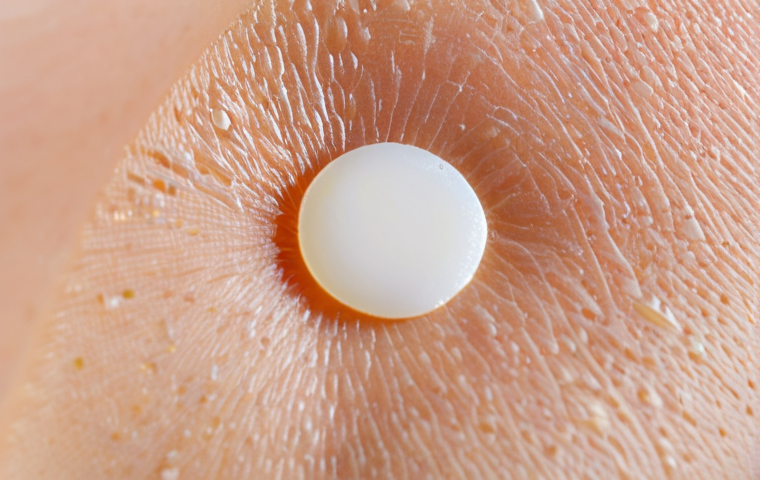
Hydrocolloid patches are your go-to for those juicy, whitehead pimples. They basically suck all the gunk out, creating a moist environment that promotes healing.
I swear, sometimes I’m shocked by how much they absorb! Medicated patches, on the other hand, are better for those deep, under-the-skin cysts or red, inflamed bumps.
They deliver a targeted dose of medicine to fight the bacteria and reduce inflammation.
Understanding Ingredient Lists: What to Look For (and Avoid)
When you’re scanning the ingredient list, look for things like salicylic acid, tea tree oil, benzoyl peroxide (in lower concentrations), or even niacinamide.
These ingredients can help exfoliate, kill bacteria, and calm redness. What to avoid? Heavily fragranced patches or those with a ton of alcohol, as these can irritate sensitive skin.
Trust me, I’ve learned this the hard way with some seriously itchy, red patches.
The Great Patch Test: My Personal Trials and Tribulations
Okay, let’s get real. I’ve tested SO many acne patches. Some were amazing, some were…not so much.
And what works for me might not work for you, which is why it’s so important to experiment and find what suits your skin best. Here’s a rundown of my experiences:
The Mighty Patch Original: A Staple in My Routine
This one is a classic for a reason. It’s a hydrocolloid patch that works wonders on whiteheads. I slap one on before bed, and in the morning, the gunk is gone!
It’s not as effective on deeper pimples, but for surface-level blemishes, it’s a lifesaver. The only minor downside? It’s a bit pricey compared to some other options.
Peace Out Acne Healing Dots: Medicated Powerhouse
These patches contain salicylic acid, which makes them fantastic for those stubborn, under-the-skin pimples. They definitely help reduce inflammation and speed up healing.
However, I found that they can be a bit drying, so I wouldn’t recommend using them every single night.
COSRX Acne Pimple Master Patch: Affordable and Effective
If you’re on a budget, these are a great option. They’re thin, discreet, and surprisingly effective at sucking out impurities. I always keep a pack of these in my travel bag.
They’re not quite as strong as the Mighty Patch, but for everyday use, they do the trick.
Making the Most of Your Patches: Application Tips and Tricks
Alright, so you’ve got your patches, now what? It’s not as simple as just slapping them on. Here are some tips I’ve learned over the years:
Cleanse and Dry: Prepping Your Skin for Patch Perfection
This is crucial! Make sure your skin is clean and dry before applying a patch. Any oil or dirt will prevent the adhesive from sticking properly.
I usually cleanse my face, then use a toner to remove any remaining residue.
Patch Placement: Targeting the Trouble Zones
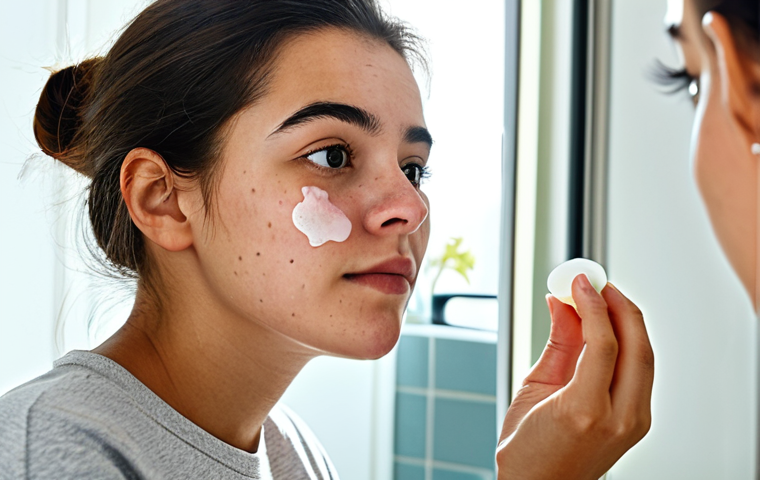
Position the patch directly over the pimple, making sure it’s completely covered. Press down gently to ensure it adheres to your skin. Avoid touching the adhesive side, as this can transfer oil and dirt.
The Waiting Game: How Long to Leave Them On
Most patches recommend leaving them on for at least 6 hours, or overnight. I usually leave mine on overnight, because that’s when my skin is in repair mode.
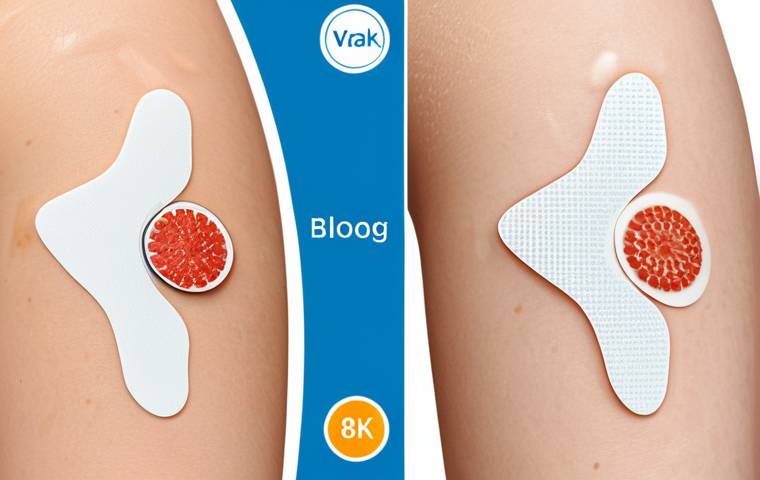
You’ll know it’s working when the patch turns white and opaque as it absorbs fluid.
When Patches Aren’t Enough: Knowing When to Seek Professional Help
Acne patches are great for mild to moderate breakouts, but they’re not a cure-all. If you’re dealing with severe acne, cystic acne, or if your breakouts are consistently painful and inflamed, it’s time to see a dermatologist.
They can prescribe stronger medications or recommend other treatments that are more effective for your specific skin type.
Recognizing the Signs: When to Consult a Dermatologist
Persistent breakouts, deep cysts, scarring, or if over-the-counter treatments aren’t working – these are all signs that it’s time to seek professional help.
Don’t wait until your acne is out of control!
Exploring Alternative Treatments: Beyond the Patch
A dermatologist might recommend prescription-strength retinoids, antibiotics, or even light therapy to treat your acne. They can also perform extractions to remove stubborn blackheads or whiteheads.
It’s all about finding the right treatment plan for your individual needs.
Beyond the Patch: Holistic Approaches to Clearer Skin
While acne patches are a great spot treatment, they’re just one piece of the puzzle. Clear skin is about so much more than just what you put *on* your face.
It’s about what you put *in* your body, how you manage stress, and your overall lifestyle.
Diet and Hydration: Fueling Your Skin From the Inside Out
What you eat directly impacts your skin. Processed foods, sugary drinks, and dairy can all trigger breakouts in some people. Focus on eating a balanced diet rich in fruits, vegetables, and whole grains.
And don’t forget to drink plenty of water! Staying hydrated helps flush out toxins and keeps your skin plump and healthy.
Stress Management: Taming the Breakout Beast
Stress is a major trigger for acne. When you’re stressed, your body produces more cortisol, which can lead to inflammation and breakouts. Find healthy ways to manage stress, whether it’s through exercise, meditation, yoga, or spending time in nature.
Here is the table:
| Patch Type | Best For | Key Ingredients | Pros | Cons | Price Range |
|---|---|---|---|---|---|
| Hydrocolloid | Whiteheads, surface-level pimples | Hydrocolloid | Absorbs fluid, promotes healing | Not as effective on deep pimples | $8-$15 |
| Medicated | Deep, under-the-skin pimples | Salicylic acid, tea tree oil | Reduces inflammation, speeds up healing | Can be drying | $10-$20 |
Diving deep into the world of acne patches has been quite the journey, filled with hits and misses. I hope my experiences have shed some light on how these little stickers can be more than just a quick fix.
Remember, everyone’s skin is different, so what works for me might not work for you. Don’t be afraid to experiment and find what suits your skin best.
And most importantly, be patient and kind to your skin. Clear skin is a journey, not a destination!
Parting Thoughts
Acne patches can be a fantastic addition to your skincare routine, offering a targeted and effective solution for those pesky pimples.
However, they’re not a miracle cure, and it’s essential to understand their limitations and when to seek professional help.
Combine your patch usage with a holistic approach to skincare, focusing on diet, stress management, and a consistent skincare routine.
Remember, achieving clear and healthy skin is a journey, not a race. Be patient with yourself and celebrate the small victories along the way.
Handy Tips & Tricks
1. Always cleanse and dry your skin thoroughly before applying a patch for optimal adhesion.
2. For medicated patches, start with a small test area to ensure you don’t have any adverse reactions to the ingredients.
3. When using hydrocolloid patches, don’t be alarmed by the gunk they absorb – it means they’re doing their job!
4. Consider using a patch during the day if you’re tempted to pick at your pimples – it’ll act as a barrier and prevent further irritation.
5. Store your patches in a cool, dry place to prevent them from drying out or losing their effectiveness.
Key Takeaways
Acne patches offer targeted treatment for pimples, with hydrocolloid patches best for surface-level blemishes and medicated patches better for deeper breakouts.
Always read ingredient lists carefully and avoid patches with fragrances or high alcohol content, especially if you have sensitive skin.
For severe or persistent acne, consult a dermatologist for personalized treatment options beyond over-the-counter patches.
A holistic approach to skincare, including diet, stress management, and a consistent routine, is essential for long-term clear skin.
Frequently Asked Questions (FAQ) 📖
Q: Are acne patches really effective, or is it just hype?
A: Well, from my own experience, some acne patches do work, but not all of them are created equal. The hydrocolloid ones are pretty good at sucking out gunk and protecting the pimple, which can speed up healing.
Others with ingredients like salicylic acid or tea tree oil can help shrink the blemish. But honestly, it depends on the type of acne you have and the ingredients in the patch.
Don’t expect miracles overnight, though!
Q: How do I choose the right acne patch for my skin?
A: Oh man, that’s the million-dollar question! First, figure out what kind of pimple you’re dealing with. If it’s a whitehead that’s ready to pop, a basic hydrocolloid patch is usually fine.
If it’s a deep, under-the-skin bump, look for patches with ingredients like salicylic acid or benzoyl peroxide. I’d also suggest reading reviews and maybe trying a few different brands to see what works best for your skin.
Everyone’s different, right?
Q: Can I wear acne patches under makeup?
A: Good question! Some acne patches are practically invisible and blend really well under makeup. Look for the thin, clear ones.
I usually apply the patch to clean, dry skin, then put on my foundation and concealer as usual. Just be gentle when applying makeup around the patch so you don’t peel it off accidentally.
It’s not a perfect solution, but it’s better than picking at the pimple, that’s for sure!
📚 References
Wikipedia Encyclopedia