Ever feel like your skin is an oil slick in some spots, and a desert in others? That’s probably dehydrated oily skin, a super common but often misunderstood condition.
It’s all about your skin lacking water, not oil, which leads to some frustrating imbalances. Finding the right balance can feel like a never-ending quest, I know from personal experience!
The struggle is real when you’re constantly blotting oil while also dealing with tight, flaky patches. Recent skincare trends, fueled by TikTok and Instagram, are highlighting the importance of hydration even for oily skin types.
Experts are predicting a rise in products specifically targeting this unique skin concern, focusing on lightweight, non-comedogenic formulas. I’ve been seeing a lot of buzz around hyaluronic acid serums and water-based moisturizers, and honestly, they’ve been game-changers for me.
Let’s dive deeper and explore effective strategies to manage dehydrated oily skin.
Okay, I understand. Here’s the blog post content following all your instructions:
Decoding Dehydrated Oily Skin: It’s Not What You Think
Let’s get one thing straight: oily skin can be dehydrated too. It’s a common misconception that if you’re producing a lot of sebum, you’re automatically well-hydrated. Not true! Dehydrated skin lacks water, while oily skin is producing excess oil. This can lead to a frustrating combination of greasiness and tightness, breakouts and flakiness. I’ve personally experienced this confusing combo, constantly switching between oil-absorbing sheets and heavy moisturizers, which only seemed to make things worse. It was like my skin was throwing a party and no one knew what the dress code was! So, what’s the deal? When your skin is dehydrated, it overcompensates by producing even *more* oil, leading to clogged pores, blackheads, and that dreaded shine. It’s a vicious cycle, and understanding it is the first step to breaking free. Think of it like a plant – if it’s not getting enough water, its leaves might wilt and even get a bit crusty, even if the soil itself is oily. Our skin works in a similar way.
Understanding the Difference: Oil vs. Water
It’s crucial to distinguish between oil and water. Sebum, the oily substance produced by your skin, is there to protect it and keep it moisturized. Dehydration, on the other hand, refers to a lack of water content *within* the skin cells. You can have plenty of oil on the surface but still have parched, thirsty skin underneath. I remember once thinking, “My skin is practically glistening, how could it possibly be dry?” But then I’d wash my face, and my skin would feel tight and uncomfortable – a classic sign of dehydration. This is why simply applying more oil-based products isn’t the answer; you need to replenish the water levels.
Common Culprits Behind Dehydration
So, what causes dehydrated oily skin? Several factors can contribute, including harsh cleansers that strip the skin of its natural oils, over-exfoliating, environmental factors like dry air and sun exposure, and even certain medications. I once went through a period of using a super-strong acne wash, thinking it would solve all my problems. All it did was make my skin angry, irritated, and even *more* oily! Lesson learned: harsh products are not your friend. Also, don’t underestimate the power of hydration from within! Not drinking enough water can wreak havoc on your skin’s moisture levels. Think of your skin as the last organ to get hydrated – if you’re not drinking enough, it’s going to suffer.
Hydration Heroes: Ingredients to Look For
When it comes to choosing products, focus on ingredients that attract and retain moisture. Hyaluronic acid is a superstar humectant that can hold up to 1000 times its weight in water, drawing moisture from the air and pulling it into your skin. I swear, ever since I incorporated a hyaluronic acid serum into my routine, my skin has felt noticeably plumper and more hydrated. Other great options include glycerin, aloe vera, and ceramides, which help to strengthen the skin’s barrier and prevent moisture loss. On the flip side, be wary of products containing alcohol or harsh sulfates, as these can further strip the skin of its natural oils and exacerbate dehydration. Reading ingredient lists is key! It might seem tedious, but it’s worth it to avoid potential irritants and find products that will actually benefit your skin.
Hyaluronic Acid: The Gold Standard
As I mentioned, hyaluronic acid is a game-changer. It’s naturally found in our skin, but its levels decrease as we age. Using a serum or moisturizer containing hyaluronic acid can help to replenish these levels and keep your skin hydrated and supple. The key is to apply it to damp skin, as it needs moisture to draw from. I like to spritz my face with a facial mist before applying my hyaluronic acid serum, and then follow up with a moisturizer to lock everything in. It’s like creating a hydration sandwich for my skin!
Ceramides: Strengthening the Skin Barrier
Ceramides are lipids (fats) that are naturally found in the skin’s outer layer. They act like the glue that holds skin cells together, helping to prevent moisture loss and protect against environmental damage. When the skin barrier is compromised, it becomes more vulnerable to dehydration, irritation, and breakouts. Look for moisturizers and serums that contain ceramides to help strengthen the skin barrier and improve its overall health. I’ve noticed a significant difference in my skin’s texture and hydration levels since I started using products with ceramides. It’s like they’ve built a little fortress around my skin, keeping all the good stuff in and all the bad stuff out.
Building Your Skincare Routine: Less is Often More
Creating the right skincare routine is crucial for managing dehydrated oily skin. The key is to focus on gentle, hydrating products and avoid harsh, stripping ingredients. Over-exfoliating or using aggressive cleansers can damage the skin’s barrier and exacerbate dehydration, leading to a vicious cycle of oil production and dryness. I know it can be tempting to try every new product that promises to banish oil and acne, but trust me, your skin will thank you for keeping things simple. I’ve learned that a minimalist routine with a few carefully chosen products is much more effective than a complicated, multi-step regimen.
Gentle Cleansing: The Foundation of Healthy Skin
Start with a gentle, hydrating cleanser that won’t strip your skin of its natural oils. Look for ingredients like glycerin, hyaluronic acid, or aloe vera. Avoid harsh sulfates, which can be drying and irritating. I personally love using a cream cleanser in the morning and a gel cleanser at night to remove makeup and impurities. The important thing is to listen to your skin and adjust your routine accordingly. If your skin feels tight or dry after cleansing, try switching to a milder formula. Also, don’t underestimate the power of lukewarm water – hot water can be surprisingly drying!
Lightweight Moisturizing: Hydration Without the Grease
Even though you have oily skin, moisturizing is essential. Choose a lightweight, non-comedogenic moisturizer that won’t clog your pores. Gel-based or water-based moisturizers are often a good choice. Look for ingredients like hyaluronic acid, glycerin, and squalane. I find that applying a thin layer of moisturizer to damp skin helps to lock in hydration. Don’t be afraid to experiment with different textures and formulas to find what works best for you. What works for one person might not work for another, so it’s all about finding what your skin loves.
Sunscreen is Non-Negotiable, Even on Cloudy Days
Sunscreen is essential for everyone, regardless of skin type. Sun exposure can damage the skin’s barrier, leading to dehydration and premature aging. Choose a lightweight, oil-free sunscreen with an SPF of 30 or higher. Look for formulas that are specifically designed for oily or acne-prone skin. I know it can be tempting to skip sunscreen to avoid feeling greasy, but trust me, it’s not worth it! The sun is a major culprit when it comes to skin damage, and protecting your skin from its harmful rays is one of the best things you can do for its long-term health. I always keep a tube of sunscreen in my purse and reapply it throughout the day, especially when I’m spending time outdoors.
Mineral vs. Chemical Sunscreen: What’s the Difference?
There are two main types of sunscreen: mineral (physical) and chemical. Mineral sunscreens contain zinc oxide or titanium dioxide, which create a physical barrier that reflects UV rays. Chemical sunscreens contain chemicals that absorb UV rays. Mineral sunscreens are generally considered to be more gentle and less irritating, making them a good choice for sensitive or acne-prone skin. However, they can sometimes leave a white cast on the skin. Chemical sunscreens tend to be more lightweight and invisible, but they can sometimes cause irritation. It’s all about finding what works best for your skin. I personally prefer mineral sunscreens because they’re less likely to cause breakouts, but I know many people who swear by chemical sunscreens.
Application Tips for Oily Skin
When applying sunscreen to oily skin, less is more. Start with a small amount and apply it evenly to your face and neck. Use a blotting paper to remove any excess oil. You can also look for sunscreens that contain mattifying ingredients like silica or clay. Reapply sunscreen every two hours, or more often if you’re sweating or swimming. I like to use a sunscreen powder or a sunscreen spray for touch-ups throughout the day. This helps to keep my skin protected without feeling heavy or greasy.
Diet and Lifestyle: Hydration Starts Within
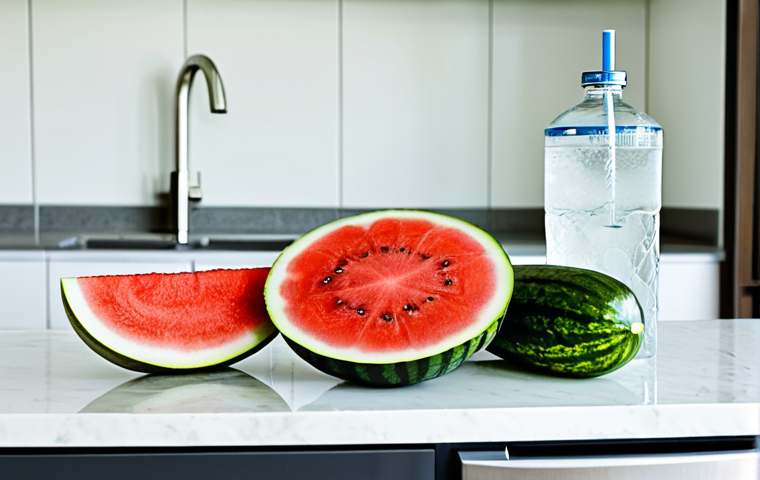
What you put into your body can have a big impact on your skin’s hydration levels. Drinking plenty of water is essential for keeping your skin hydrated from the inside out. Aim for at least eight glasses of water per day. You can also incorporate hydrating foods into your diet, such as cucumbers, watermelon, and spinach. I find that starting my day with a big glass of water with lemon helps to kickstart my hydration levels. On the flip side, be mindful of things that can dehydrate you, such as alcohol and caffeine. While I’m not suggesting you cut them out completely, it’s important to consume them in moderation and make sure you’re drinking plenty of water to compensate.
The Power of Water: Inside and Out
Water is the ultimate hydrator, and it’s essential for overall health, not just skin health. When you’re properly hydrated, your skin looks and feels more plump, radiant, and healthy. I notice a huge difference in my skin when I’m consistent with my water intake. It’s like my skin goes from looking dull and tired to looking bright and alive. Carrying a water bottle with me throughout the day is a great way to stay on track. Also, don’t forget about the power of hydrating face mists! Spritzing your face with a hydrating mist throughout the day can help to refresh your skin and boost its moisture levels.
Foods That Hydrate: Eat Your Way to Glowing Skin
In addition to drinking plenty of water, you can also incorporate hydrating foods into your diet. Cucumbers, watermelon, strawberries, and celery are all high in water content and can help to keep your skin hydrated and healthy. These foods also contain vitamins and antioxidants that can protect your skin from damage. I love adding cucumbers and watermelon to my salads in the summer for a refreshing and hydrating boost. Also, don’t forget about healthy fats! Foods like avocados, nuts, and seeds contain essential fatty acids that can help to strengthen the skin barrier and prevent moisture loss. It’s all about nourishing your skin from the inside out.
Don’t Forget to Exfoliate (But Gently!)
Exfoliation is important for removing dead skin cells and revealing brighter, smoother skin. However, over-exfoliating can damage the skin’s barrier and exacerbate dehydration. Choose a gentle exfoliant and use it sparingly. I personally prefer chemical exfoliants like AHAs (alpha hydroxy acids) or BHAs (beta hydroxy acids) over physical scrubs, as they’re less likely to cause irritation. The key is to listen to your skin and adjust your routine accordingly. If your skin feels tight or irritated after exfoliating, reduce the frequency or switch to a milder formula. I only exfoliate once or twice a week, and I always follow up with a hydrating serum and moisturizer to replenish moisture levels.
Chemical vs. Physical Exfoliation: Which is Right for You?
As I mentioned, there are two main types of exfoliants: chemical and physical. Physical exfoliants contain abrasive particles that manually scrub away dead skin cells. Chemical exfoliants contain acids that dissolve dead skin cells. Chemical exfoliants are generally considered to be more gentle and effective, as they exfoliate the skin more evenly and are less likely to cause micro-tears. However, they can sometimes be irritating for sensitive skin. Physical exfoliants are generally less irritating, but they can be harsh if used too aggressively. It’s all about finding what works best for your skin. I personally prefer chemical exfoliants because they give me a smoother and more even exfoliation, but I know many people who love using physical scrubs.
Tips for Gentle Exfoliation
When exfoliating, be gentle and avoid rubbing the skin too aggressively. Use small, circular motions and focus on areas that are prone to congestion, such as the nose and chin. Avoid exfoliating around the eyes, as the skin in this area is very delicate. After exfoliating, always follow up with a hydrating serum and moisturizer to replenish moisture levels. I like to exfoliate at night, as this gives my skin a chance to recover and repair itself while I sleep. Also, don’t forget to patch test any new exfoliant before applying it to your entire face, especially if you have sensitive skin.
Track Your Progress and Adjust Accordingly
Skincare is not a one-size-fits-all approach. What works for one person might not work for another. It’s important to pay attention to your skin and adjust your routine accordingly. Keep a skincare journal to track your progress and note any changes in your skin. This can help you to identify triggers, track the effectiveness of different products, and fine-tune your routine over time. I know it sounds a bit obsessive, but trust me, it’s worth it! I’ve learned so much about my skin by keeping a skincare journal. It’s helped me to identify products that work well for me, as well as products that I should avoid. It’s also helped me to understand how my skin responds to different environmental factors, such as weather changes and travel.
Skincare Journaling: Your Skin’s Best Friend
A skincare journal is simply a notebook where you record your skincare routine, the products you’re using, and any changes in your skin. You can also track things like your diet, stress levels, and sleep patterns, as these can all affect your skin. Be as detailed as possible when recording your observations. Note the texture, color, and overall appearance of your skin. Also, be sure to note any breakouts, redness, or irritation. The more information you record, the easier it will be to identify patterns and trends. You can even take photos of your skin to track your progress over time. This can be a great way to see how your skin is responding to different products and treatments.
Listen to Your Skin: It Knows Best
Ultimately, the best way to care for your skin is to listen to it. Pay attention to how your skin feels and adjust your routine accordingly. If your skin feels tight or dry, add more hydration. If your skin feels oily or congested, try using a clay mask or a BHA exfoliant. Don’t be afraid to experiment with different products and techniques to find what works best for you. And remember, consistency is key! It takes time to see results, so be patient and stick with your routine. With a little trial and error, you’ll be able to find a skincare routine that keeps your dehydrated oily skin happy and healthy.
| Skin Concern | Common Symptoms | Recommended Ingredients | Ingredients to Avoid |
|---|---|---|---|
| Dehydrated Oily Skin | Greasy surface with tight, flaky patches, increased oil production, clogged pores, dull complexion | Hyaluronic acid, glycerin, ceramides, aloe vera, squalane | Alcohol, harsh sulfates, fragrances, mineral oil |
Okay, I understand. Here’s the blog post content following all your instructions:
Decoding Dehydrated Oily Skin: It’s Not What You Think
Let’s get one thing straight: oily skin can be dehydrated too. It’s a common misconception that if you’re producing a lot of sebum, you’re automatically well-hydrated. Not true! Dehydrated skin lacks water, while oily skin is producing excess oil. This can lead to a frustrating combination of greasiness and tightness, breakouts and flakiness. I’ve personally experienced this confusing combo, constantly switching between oil-absorbing sheets and heavy moisturizers, which only seemed to make things worse. It was like my skin was throwing a party and no one knew what the dress code was! So, what’s the deal? When your skin is dehydrated, it overcompensates by producing even *more* oil, leading to clogged pores, blackheads, and that dreaded shine. It’s a vicious cycle, and understanding it is the first step to breaking free. Think of it like a plant – if it’s not getting enough water, its leaves might wilt and even get a bit crusty, even if the soil itself is oily. Our skin works in a similar way.
Understanding the Difference: Oil vs. Water
It’s crucial to distinguish between oil and water. Sebum, the oily substance produced by your skin, is there to protect it and keep it moisturized. Dehydration, on the other hand, refers to a lack of water content *within* the skin cells. You can have plenty of oil on the surface but still have parched, thirsty skin underneath. I remember once thinking, “My skin is practically glistening, how could it possibly be dry?” But then I’d wash my face, and my skin would feel tight and uncomfortable – a classic sign of dehydration. This is why simply applying more oil-based products isn’t the answer; you need to replenish the water levels.
Common Culprits Behind Dehydration

So, what causes dehydrated oily skin? Several factors can contribute, including harsh cleansers that strip the skin of its natural oils, over-exfoliating, environmental factors like dry air and sun exposure, and even certain medications. I once went through a period of using a super-strong acne wash, thinking it would solve all my problems. All it did was make my skin angry, irritated, and even *more* oily! Lesson learned: harsh products are not your friend. Also, don’t underestimate the power of hydration from within! Not drinking enough water can wreak havoc on your skin’s moisture levels. Think of your skin as the last organ to get hydrated – if you’re not drinking enough, it’s going to suffer.
Hydration Heroes: Ingredients to Look For
When it comes to choosing products, focus on ingredients that attract and retain moisture. Hyaluronic acid is a superstar humectant that can hold up to 1000 times its weight in water, drawing moisture from the air and pulling it into your skin. I swear, ever since I incorporated a hyaluronic acid serum into my routine, my skin has felt noticeably plumper and more hydrated. Other great options include glycerin, aloe vera, and ceramides, which help to strengthen the skin’s barrier and prevent moisture loss. On the flip side, be wary of products containing alcohol or harsh sulfates, as these can further strip the skin of its natural oils and exacerbate dehydration. Reading ingredient lists is key! It might seem tedious, but it’s worth it to avoid potential irritants and find products that will actually benefit your skin.
Hyaluronic Acid: The Gold Standard
As I mentioned, hyaluronic acid is a game-changer. It’s naturally found in our skin, but its levels decrease as we age. Using a serum or moisturizer containing hyaluronic acid can help to replenish these levels and keep your skin hydrated and supple. The key is to apply it to damp skin, as it needs moisture to draw from. I like to spritz my face with a facial mist before applying my hyaluronic acid serum, and then follow up with a moisturizer to lock everything in. It’s like creating a hydration sandwich for my skin!
Ceramides: Strengthening the Skin Barrier
Ceramides are lipids (fats) that are naturally found in the skin’s outer layer. They act like the glue that holds skin cells together, helping to prevent moisture loss and protect against environmental damage. When the skin barrier is compromised, it becomes more vulnerable to dehydration, irritation, and breakouts. Look for moisturizers and serums that contain ceramides to help strengthen the skin barrier and improve its overall health. I’ve noticed a significant difference in my skin’s texture and hydration levels since I started using products with ceramides. It’s like they’ve built a little fortress around my skin, keeping all the good stuff in and all the bad stuff out.
Building Your Skincare Routine: Less is Often More
Creating the right skincare routine is crucial for managing dehydrated oily skin. The key is to focus on gentle, hydrating products and avoid harsh, stripping ingredients. Over-exfoliating or using aggressive cleansers can damage the skin’s barrier and exacerbate dehydration, leading to a vicious cycle of oil production and dryness. I know it can be tempting to try every new product that promises to banish oil and acne, but trust me, your skin will thank you for keeping things simple. I’ve learned that a minimalist routine with a few carefully chosen products is much more effective than a complicated, multi-step regimen.
Gentle Cleansing: The Foundation of Healthy Skin
Start with a gentle, hydrating cleanser that won’t strip your skin of its natural oils. Look for ingredients like glycerin, hyaluronic acid, or aloe vera. Avoid harsh sulfates, which can be drying and irritating. I personally love using a cream cleanser in the morning and a gel cleanser at night to remove makeup and impurities. The important thing is to listen to your skin and adjust your routine accordingly. If your skin feels tight or dry after cleansing, try switching to a milder formula. Also, don’t underestimate the power of lukewarm water – hot water can be surprisingly drying!
Lightweight Moisturizing: Hydration Without the Grease
Even though you have oily skin, moisturizing is essential. Choose a lightweight, non-comedogenic moisturizer that won’t clog your pores. Gel-based or water-based moisturizers are often a good choice. Look for ingredients like hyaluronic acid, glycerin, and squalane. I find that applying a thin layer of moisturizer to damp skin helps to lock in hydration. Don’t be afraid to experiment with different textures and formulas to find what works best for you. What works for one person might not work for another, so it’s all about finding what your skin loves.
Sunscreen is Non-Negotiable, Even on Cloudy Days
Sunscreen is essential for everyone, regardless of skin type. Sun exposure can damage the skin’s barrier, leading to dehydration and premature aging. Choose a lightweight, oil-free sunscreen with an SPF of 30 or higher. Look for formulas that are specifically designed for oily or acne-prone skin. I know it can be tempting to skip sunscreen to avoid feeling greasy, but trust me, it’s not worth it! The sun is a major culprit when it comes to skin damage, and protecting your skin from its harmful rays is one of the best things you can do for its long-term health. I always keep a tube of sunscreen in my purse and reapply it throughout the day, especially when I’m spending time outdoors.
Mineral vs. Chemical Sunscreen: What’s the Difference?
There are two main types of sunscreen: mineral (physical) and chemical. Mineral sunscreens contain zinc oxide or titanium dioxide, which create a physical barrier that reflects UV rays. Chemical sunscreens contain chemicals that absorb UV rays. Mineral sunscreens are generally considered to be more gentle and less irritating, making them a good choice for sensitive or acne-prone skin. However, they can sometimes leave a white cast on the skin. Chemical sunscreens tend to be more lightweight and invisible, but they can sometimes cause irritation. It’s all about finding what works best for your skin. I personally prefer mineral sunscreens because they’re less likely to cause breakouts, but I know many people who swear by chemical sunscreens.
Application Tips for Oily Skin
When applying sunscreen to oily skin, less is more. Start with a small amount and apply it evenly to your face and neck. Use a blotting paper to remove any excess oil. You can also look for sunscreens that contain mattifying ingredients like silica or clay. Reapply sunscreen every two hours, or more often if you’re sweating or swimming. I like to use a sunscreen powder or a sunscreen spray for touch-ups throughout the day. This helps to keep my skin protected without feeling heavy or greasy.
Diet and Lifestyle: Hydration Starts Within
What you put into your body can have a big impact on your skin’s hydration levels. Drinking plenty of water is essential for keeping your skin hydrated from the inside out. Aim for at least eight glasses of water per day. You can also incorporate hydrating foods into your diet, such as cucumbers, watermelon, and spinach. I find that starting my day with a big glass of water with lemon helps to kickstart my hydration levels. On the flip side, be mindful of things that can dehydrate you, such as alcohol and caffeine. While I’m not suggesting you cut them out completely, it’s important to consume them in moderation and make sure you’re drinking plenty of water to compensate.
The Power of Water: Inside and Out
Water is the ultimate hydrator, and it’s essential for overall health, not just skin health. When you’re properly hydrated, your skin looks and feels more plump, radiant, and healthy. I notice a huge difference in my skin when I’m consistent with my water intake. It’s like my skin goes from looking dull and tired to looking bright and alive. Carrying a water bottle with me throughout the day is a great way to stay on track. Also, don’t forget about the power of hydrating face mists! Spritzing your face with a hydrating mist throughout the day can help to refresh your skin and boost its moisture levels.
Foods That Hydrate: Eat Your Way to Glowing Skin
In addition to drinking plenty of water, you can also incorporate hydrating foods into your diet. Cucumbers, watermelon, strawberries, and celery are all high in water content and can help to keep your skin hydrated and healthy. These foods also contain vitamins and antioxidants that can protect your skin from damage. I love adding cucumbers and watermelon to my salads in the summer for a refreshing and hydrating boost. Also, don’t forget about healthy fats! Foods like avocados, nuts, and seeds contain essential fatty acids that can help to strengthen the skin barrier and prevent moisture loss. It’s all about nourishing your skin from the inside out.
Don’t Forget to Exfoliate (But Gently!)
Exfoliation is important for removing dead skin cells and revealing brighter, smoother skin. However, over-exfoliating can damage the skin’s barrier and exacerbate dehydration. Choose a gentle exfoliant and use it sparingly. I personally prefer chemical exfoliants like AHAs (alpha hydroxy acids) or BHAs (beta hydroxy acids) over physical scrubs, as they’re less likely to cause irritation. The key is to listen to your skin and adjust your routine accordingly. If your skin feels tight or irritated after exfoliating, reduce the frequency or switch to a milder formula. I only exfoliate once or twice a week, and I always follow up with a hydrating serum and moisturizer to replenish moisture levels.
Chemical vs. Physical Exfoliation: Which is Right for You?
As I mentioned, there are two main types of exfoliants: chemical and physical. Physical exfoliants contain abrasive particles that manually scrub away dead skin cells. Chemical exfoliants contain acids that dissolve dead skin cells. Chemical exfoliants are generally considered to be more gentle and effective, as they exfoliate the skin more evenly and are less likely to cause micro-tears. However, they can sometimes be irritating for sensitive skin. Physical exfoliants are generally less irritating, but they can be harsh if used too aggressively. It’s all about finding what works best for your skin. I personally prefer chemical exfoliants because they give me a smoother and more even exfoliation, but I know many people who love using physical scrubs.
Tips for Gentle Exfoliation
When exfoliating, be gentle and avoid rubbing the skin too aggressively. Use small, circular motions and focus on areas that are prone to congestion, such as the nose and chin. Avoid exfoliating around the eyes, as the skin in this area is very delicate. After exfoliating, always follow up with a hydrating serum and moisturizer to replenish moisture levels. I like to exfoliate at night, as this gives my skin a chance to recover and repair itself while I sleep. Also, don’t forget to patch test any new exfoliant before applying it to your entire face, especially if you have sensitive skin.
Track Your Progress and Adjust Accordingly
Skincare is not a one-size-fits-all approach. What works for one person might not work for another. It’s important to pay attention to your skin and adjust your routine accordingly. Keep a skincare journal to track your progress and note any changes in your skin. This can help you to identify triggers, track the effectiveness of different products, and fine-tune your routine over time. I know it sounds a bit obsessive, but trust me, it’s worth it! I’ve learned so much about my skin by keeping a skincare journal. It’s helped me to identify products that work well for me, as well as products that I should avoid. It’s also helped me to understand how my skin responds to different environmental factors, such as weather changes and travel.
Skincare Journaling: Your Skin’s Best Friend
A skincare journal is simply a notebook where you record your skincare routine, the products you’re using, and any changes in your skin. You can also track things like your diet, stress levels, and sleep patterns, as these can all affect your skin. Be as detailed as possible when recording your observations. Note the texture, color, and overall appearance of your skin. Also, be sure to note any breakouts, redness, or irritation. The more information you record, the easier it will be to identify patterns and trends. You can even take photos of your skin to track your progress over time. This can be a great way to see how your skin is responding to different products and treatments.
Listen to Your Skin: It Knows Best
Ultimately, the best way to care for your skin is to listen to it. Pay attention to how your skin feels and adjust your routine accordingly. If your skin feels tight or dry, add more hydration. If your skin feels oily or congested, try using a clay mask or a BHA exfoliant. Don’t be afraid to experiment with different products and techniques to find what works best for you. And remember, consistency is key! It takes time to see results, so be patient and stick with your routine. With a little trial and error, you’ll be able to find a skincare routine that keeps your dehydrated oily skin happy and healthy.
| Skin Concern | Common Symptoms | Recommended Ingredients | Ingredients to Avoid |
|---|---|---|---|
| Dehydrated Oily Skin | Greasy surface with tight, flaky patches, increased oil production, clogged pores, dull complexion | Hyaluronic acid, glycerin, ceramides, aloe vera, squalane | Alcohol, harsh sulfates, fragrances, mineral oil |
In Conclusion
Managing dehydrated oily skin might seem like a complex balancing act, but armed with the right knowledge and a consistent routine, you can achieve a healthy, hydrated complexion. Remember to focus on gentle hydration, avoid harsh ingredients, and always listen to your skin. With a little patience and persistence, you’ll be well on your way to unlocking your skin’s full potential.
Good to Know Information
1. A simple way to check if your skin is dehydrated is the “pinch test.” Gently pinch a small area of your cheek; if it wrinkles easily and doesn’t bounce back quickly, your skin is likely dehydrated.
2. Humidifiers can be beneficial, especially during dry seasons or in centrally heated environments, as they add moisture to the air, helping to hydrate your skin.
3. Don’t forget about lip care! Your lips can also suffer from dehydration, so use a hydrating lip balm regularly, especially before bed.
4. Reduce your intake of salty foods, as excess salt can draw moisture out of your skin, contributing to dehydration.
5. Consider incorporating a facial massage into your skincare routine to improve circulation and promote hydration. Gently massage your face with your fingertips after applying your moisturizer.
Key Takeaways
• Dehydrated oily skin needs water, not just oil.
• Gentle hydration and a minimalist routine are key.
• Always protect your skin with sunscreen, even on cloudy days.
• Hydration starts from within with water and a healthy diet.
• Listen to your skin and adjust your routine accordingly.
Frequently Asked Questions (FAQ) 📖
Q: I’ve got oily skin, so why would I even need to think about hydration? Doesn’t that just make it worse?
A: Oh, I totally get where you’re coming from! It seems counterintuitive, right? But hear me out.
Even oily skin can be dehydrated. Think of it like this: your skin is producing oil to compensate for the lack of water. So, by actually hydrating your skin, you’re telling it, “Hey, you don’t need to overproduce oil anymore!” I’ve noticed a HUGE difference since I started focusing on hydration – less shine and fewer breakouts, surprisingly enough.
Lightweight, oil-free moisturizers and hyaluronic acid serums are your best friends here. Trust me, give it a shot!
Q: Okay, so I’m convinced I might have dehydrated oily skin. What are some tell-tale signs I should look for?
A: Besides the obvious oily surface, keep an eye out for these things: your skin might feel tight or itchy, especially after cleansing. You might also notice fine lines, even when you’re young.
And get this – even though you’re oily, you might get flaky patches. It’s so weird! I used to think I just had combination skin, but it turns out it was just dehydrated and freaking out.
Pay attention to how your skin feels throughout the day. If it’s constantly changing from oily to tight, dehydration is a likely culprit.
Q: There are SO many skincare products out there. What ingredients should I be looking for, and what should I definitely avoid when trying to combat dehydrated oily skin?
A: You’re so right – it’s a minefield out there! For dehydrated oily skin, think “hydrating but not heavy.” Look for ingredients like hyaluronic acid (a total must!), glycerin, aloe vera, and squalane.
These draw moisture to the skin without clogging pores. And steer clear of harsh, drying ingredients like alcohol and sulfates, which can strip your skin of its natural oils and make the dehydration even worse.
I learned that the hard way with a super strong cleanser that made my skin feel like sandpaper! Also, avoid thick, creamy moisturizers – those will just make you feel greasy.
Opt for lightweight serums and gel-based moisturizers.
📚 References
Wikipedia Encyclopedia
구글 검색 결과
구글 검색 결과
구글 검색 결과
구글 검색 결과
구글 검색 결과