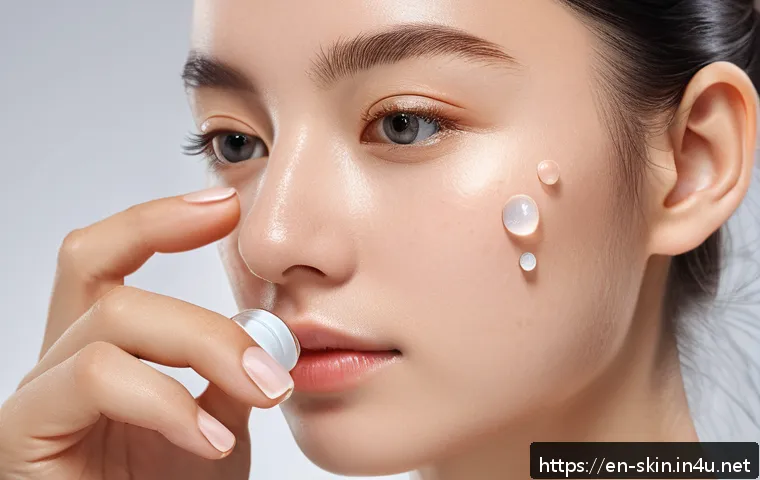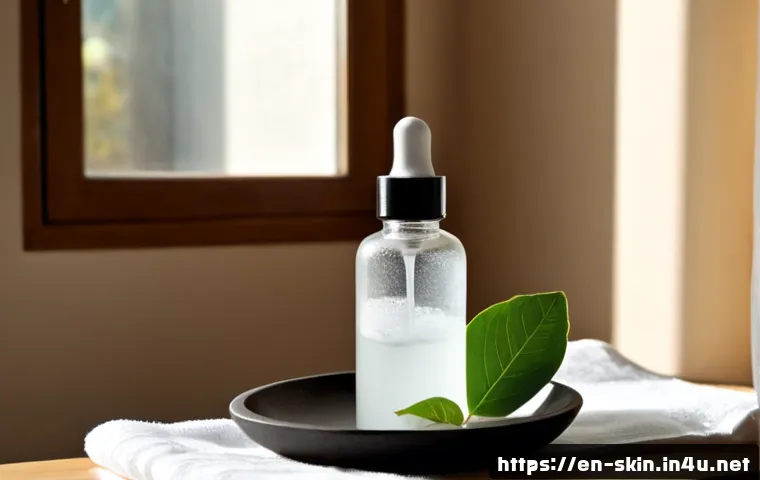
The best essence for smoother-looking skin texture depends on what is making your skin look uneven: dryness, dullness, congestion, or irritation. A hydrating essence is often the better starting point for tight or flaky skin, while an exfoliating formula may suit persistent roughness when used carefully.
For shoppers comparing skincare products, the most useful factors are the active ingredients, fragrance level, bottle size, routine compatibility, and value per use.
An essence is a lightweight leave-on layer, not a replacement for cleanser, moisturizer, or daily sunscreen. Choose a formula that fits the rest of your routine instead of buying the most complicated or expensive option.
At a Glance
- Dry or tight-looking skin: Choose a hydrating or barrier-supporting essence with ingredients such as glycerin, hyaluronic acid, or niacinamide.
- Roughness or dullness: Consider a gentle exfoliating essence, but avoid combining it with other strong actives on the same night.
- Congestion or visible pores: Look for a lightweight, pore-compatible formula and keep the routine simple enough to monitor irritation.
| Essence Type | Best Match | Irritation Consideration | Routine Pairing | Value Consideration |
|---|---|---|---|---|
| Hydrating essence | Dryness, tightness, flaky-looking texture | Usually a simpler option, but check fragrance and botanical extracts if skin is reactive | After cleansing, before moisturizer | A basic formula may be enough when dehydration is the main concern |
| Exfoliating essence | Rough-looking texture and dullness | AHAs and BHAs can increase irritation risk when overused or layered with other strong actives | Use carefully; pair with moisturizer and daily broad-spectrum sunscreen | Compare active ingredients and how often the product realistically fits your routine |
| Barrier-supporting essence | Sensitive-feeling or uneven-looking skin texture | Fragrance and certain botanical extracts may be concerns for reactive skin | Works well in a simple routine with moisturizer | A targeted formula can be worthwhile if it replaces several unnecessary layers |
The Quick Answer: Choose an Essence Based on Why Your Skin Looks Uneven
Texture is not one single problem. Skin can look uneven because of dryness, dead skin cell buildup, congestion, irritation, or visible pores. Before comparing premium skincare essences or ingredient lists, identify the concern you notice most often. This helps prevent buying a strong exfoliating product when a basic hydrating layer may be the more suitable and better-value choice.
Dry, Tight, or Flaky Skin: Prioritize Hydration and Barrier Support
If your skin feels tight or looks flaky, start with a hydrating essence. Ingredients such as glycerin and hyaluronic acid can help skin look temporarily plumper and smoother. Niacinamide is also commonly used in formulas designed to support the skin barrier and improve the appearance of uneven tone and texture.
For this concern, a multi-acid product is not automatically the best upgrade. Check whether the formula is fragrance-free or whether it includes botanical extracts if you know your skin reacts easily. A simple essence that you can use comfortably alongside moisturizer may offer better routine value than a complicated formula you use inconsistently.
Roughness and Dullness: Consider Gentle Exfoliation Carefully
When skin looks dull or feels rough from surface buildup, an exfoliating essence may be worth comparing. Chemical exfoliants such as AHAs and BHAs are common options, but more active ingredients do not necessarily mean a better result. These ingredients can increase irritation risk when used too often or combined with other strong actives.
Read the product details for the exfoliating ingredients, directions, and compatibility notes. If you already use several active skincare products, a hydrating essence may be the safer addition until you know what your skin tolerates. Daily broad-spectrum sunscreen matters when exfoliating or brightening products are part of your routine.
Congestion and Visible Pores: Look for Lightweight, Pore-Compatible Formulas
For congestion and visible pores, choose a lightweight leave-on essence that does not make your routine feel overloaded. A BHA-containing formula may appear in product comparisons for this concern, but it still needs careful use. The key decision is not simply whether an essence contains an active ingredient; it is whether it fits with your cleanser, moisturizer, and other treatments.
Avoid changing several products at once. That makes it harder to tell whether a new essence is helping the appearance of texture or contributing to irritation. If congestion is persistent or your concern may involve a condition needing professional advice, personalized guidance may be more appropriate than adding stronger products.
Compare Essence Types Before You Buy
When comparing skincare essences, look beyond packaging claims. The practical questions are what the formula is designed to do, whether the ingredient list matches your concern, and whether you can use it consistently without making the rest of your routine harder to manage.
Hydrating Essences: Ingredients, Benefits, and Who They Suit
Hydrating essences are often a sensible first choice for skin that looks temporarily rough because it is dry or dehydrated. Look for glycerin or hyaluronic acid when hydration is your main goal. These formulas are usually easiest to place in a routine because they are designed as a lightweight layer after cleansing and before moisturizer.
They can also be the more practical option for shoppers who want smoother-looking skin without adding another strong active. Compare bottle size and how much product you need per application rather than assuming a premium label delivers better value.
Exfoliating Essences: AHA, BHA, and PHA Differences
AHA and BHA are chemical exfoliants commonly found in texture-focused skincare. They may be considered for roughness, dullness, or congestion, but the important shopping point is that exfoliating acids require routine awareness. An essence marketed with AHA, BHA, or PHA should be evaluated by its complete ingredient list, product directions, and how it overlaps with your other active products.
Do not assume that a more intensive exfoliating label is the right choice for uneven-looking skin. Overuse can contribute to irritation, which may make skin feel rougher rather than more comfortable.
Barrier-Supporting and Brightening Essences: Niacinamide, Ceramides, and Soothing Ingredients
Niacinamide is commonly used in skincare formulas intended to support the skin barrier and improve the appearance of uneven tone and texture. This makes a barrier-focused essence useful for shoppers who want one lightweight product that supports a simpler routine. When comparing formulas, check whether the product also includes fragrance or botanical extracts that may be irritating for your skin.
For reactive skin, the most appealing product description is not always the best one. A shorter, easier-to-understand formula may be a more comfortable choice than a heavily scented or multi-active essence.
Value Comparison: Price per Ounce, Frequency of Use, and Formula Complexity
Value is not only the price on the shelf. Compare bottle size, expected frequency of use, formula complexity, and whether the essence duplicates products you already own. A hydrating essence may offer excellent value if it addresses dryness without requiring you to add more treatment layers.
A targeted formula may make sense when it fills a clear routine gap, such as an exfoliating product used carefully for rough-looking texture. Before purchasing, review the current formula, size, availability, and retailer conditions directly, since these details can change.
Build a Texture-Focused Routine Without Overdoing Actives
An essence works best as one deliberate layer, not as an excuse to add every trending active ingredient. Keep the order clear and give your skin a chance to adjust before deciding whether a formula belongs in your routine.
Where Essence Fits After Cleansing and Before Moisturizer
Essence is usually applied after cleansing and before moisturizer. A hydrating essence can add a lightweight layer before you seal it in with moisturizer. An exfoliating essence is still a leave-on step, so it should not be treated like a cleanser that you immediately rinse away.
No essence replaces the basics. Cleanser, moisturizer, and daily broad-spectrum sunscreen each have their own role in a texture-focused routine.
How Often to Introduce an Exfoliating Formula
Introduce an exfoliating formula carefully and follow the product’s own directions. Chemical exfoliants can increase irritation risk when used too often, so there is little benefit in forcing frequent use simply because a product is marketed for skin texture. Keep the rest of the routine calm while you assess compatibility.
Patch Testing and Signs That a Product May Be Too Irritating
Patch testing can help you notice whether a new formula may not agree with your skin. Pay attention to discomfort or a change in how your skin feels after introducing a product. If a formula seems irritating, pause it rather than adding more products to counteract the reaction.
This is especially important when choosing an essence with fragrance, botanical extracts, or exfoliating acids. Individual sensitivity, climate, and the rest of your skincare routine can all affect tolerance.
Why Moisturizer and Daily Sunscreen Still Matter
Moisturizer supports a comfortable routine, especially when skin looks dry or when exfoliating products are involved. Daily broad-spectrum sunscreen supports results from exfoliating or brightening skincare routines by helping limit sun-related discoloration and sensitivity. Skipping these steps can make an expensive essence a less useful investment.
Common Mistakes That Can Make Skin Feel Rougher
The fastest route to a more complicated routine is often adding products in response to every temporary change in texture. A few common shopping and routine mistakes can make it difficult to evaluate any essence fairly.
Layering Multiple Exfoliants in One Routine
Do not combine exfoliating acids, retinoids, and other potentially irritating actives on the same night without considering the total routine. AHAs and BHAs can raise irritation risk when layered too aggressively. A simpler plan is easier to follow and easier to evaluate.
Confusing Dehydration With a Need for Stronger Acids
Dryness can make skin look less smooth, so stronger exfoliation is not always the answer. If tightness and flaky-looking areas are the main issue, compare hydrating and barrier-supporting essences first. A lightweight hydration-focused formula may be the more appropriate purchase.
Switching Products Too Quickly to Evaluate Results
Changing cleanser, essence, moisturizer, and treatment products at the same time creates confusion. You may not know which product is responsible for a positive change or an irritating response. Introduce one new essence at a time when possible.
Ignoring Fragrance, Alcohol, or Other Personal Sensitivity Triggers
Fragrance and certain botanical extracts may be irritating for some people with reactive skin. Review the ingredient list instead of relying only on front-label claims. If you already know that specific formula features do not suit your skin, use that information as a stronger buying signal than online hype.
Choose by Skin Situation, Not by Hype
The right essence is usually the one that solves the clearest routine need with the least unnecessary complexity. Match the product category to your current skin situation, then check formula details before making a purchase.
For Dry or Seasonally Tight Skin
Prioritize glycerin, hyaluronic acid, and barrier-supporting ingredients such as niacinamide. Look for a comfortable lightweight formula that layers well under moisturizer. A straightforward hydrating essence may be enough when dryness is the main reason your skin looks uneven.
For Oily or Congestion-Prone Skin
Look for lightweight formulas and assess whether an exfoliating ingredient fits with the rest of your routine. Avoid treating visible pores or congestion as a reason to stack multiple acid products. Product compatibility matters more than choosing the strongest-looking formula.
For Sensitive or Easily Irritated Skin
Keep the ingredient list and routine simple. Check for fragrance and botanical extracts, which may be irritating for some reactive skin types. A barrier-supporting or basic hydrating essence may be more suitable than a multi-active texture treatment.
For a Simple Routine With a Limited Skincare Budget
Start with the concern that affects your routine most. If dryness is the primary issue, a basic hydrating essence can be better value than a premium multi-active product. Spend carefully on a targeted formula only when its active ingredients and routine role are clear.
Selection Criteria and Comparison Summary
Before choosing an essence, check the bottle size, active ingredients, fragrance or botanical extracts, how it fits with your current routine, and the retailer’s return policy. Compare cost per ounce and realistic use frequency rather than judging value by the bottle alone. A budget hydrating essence may be enough for dryness-related texture, while a targeted formula may be worth considering for a specific concern you can address without overlapping strong actives. Review the official product page for the current ingredient list, package size, usage directions, and purchase conditions before deciding.
Closing Thoughts
An essence can support smoother-looking skin texture, but it works best when it matches the likely cause of the uneven appearance. Hydration is often the practical starting point for dry or tight skin, while exfoliating options need more care around routine compatibility. Keep moisturizer and broad-spectrum sunscreen in place, especially when using exfoliating or brightening skincare. A simpler formula used consistently can be a smarter choice than an expensive product that does not fit your routine.
Useful Things to Know
1. An essence is a lightweight leave-on layer, not a substitute for cleanser, moisturizer, or sunscreen.
2. Glycerin and hyaluronic acid can help skin look temporarily plumper and smoother.
3. Niacinamide is commonly used in formulas for skin barrier support and the appearance of uneven tone and texture.
4. Exfoliating acids can increase irritation risk when overused or combined with other strong actives.
5. Current formulas, prices, availability, and retailer promotions should always be checked before buying.
Important Notes
No single essence can be confirmed as the best choice for every skin type, climate, sensitivity level, or routine. Visible texture can have different causes, including cosmetic dryness, congestion, irritation, or concerns that may need professional advice. If a product causes irritation or if your concern is persistent, pause new products and consider personalized skincare guidance.
Frequently Asked Questions
Q1. What type of essence is best for rough skin texture?
A1. It depends on why the skin looks rough. A hydrating essence may suit dryness or tightness, while an exfoliating essence may be considered for dullness or buildup. If skin is easily irritated, a barrier-supporting formula may be a more suitable starting point.
Q2. Are exfoliating essences safe to use every day?
A2. Chemical exfoliants such as AHAs and BHAs can increase irritation risk when used too often or combined with other strong actives. Follow the product directions, avoid over-layering active products, and keep moisturizer and daily broad-spectrum sunscreen in your routine.
Q3. Is a more expensive essence necessarily better for improving skin texture?
A3. No. A higher price does not guarantee a better match for your skin or routine. Compare the ingredient list, bottle size, formula complexity, frequency of use, and whether the product addresses your primary concern before deciding on value.